
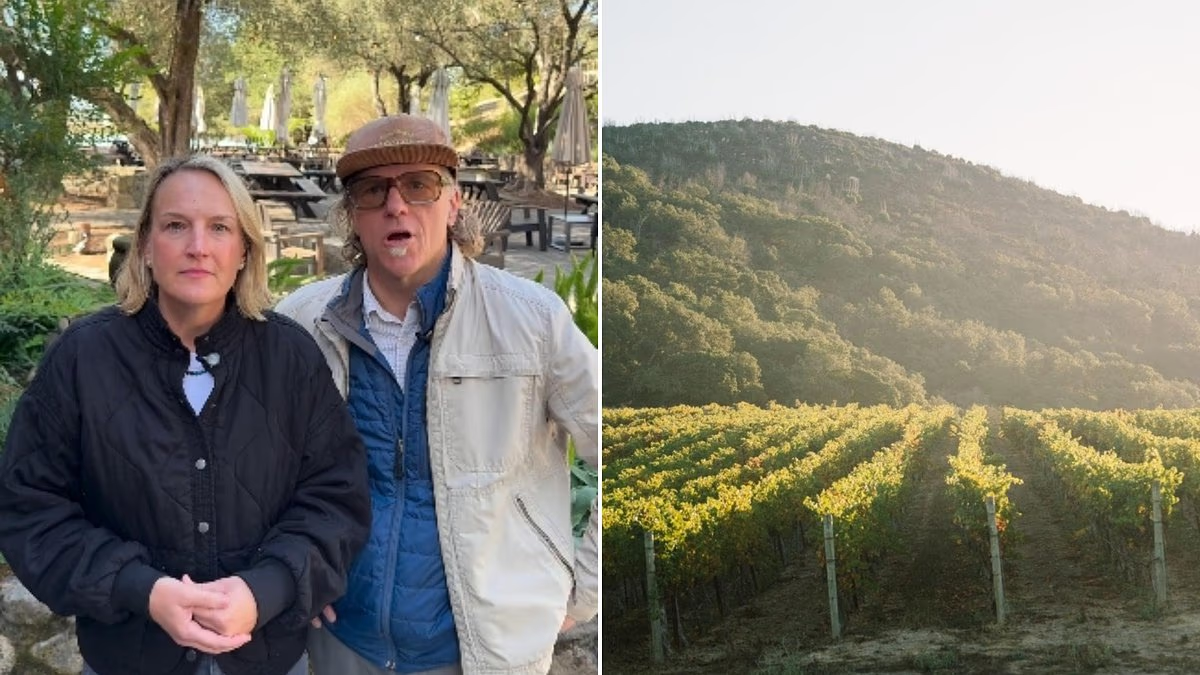
Historic California Winery Files for Bankruptcy Amid Industry Crisis
Gundlach Bundschu Winery, established in 1858 and one of California's oldest wine producers, has filed for bankruptcy protection with debts totaling approximately $39 million. The Sonoma-based family operation becomes the latest victim of a severe downturn affecting the state's wine sector, where production has contracted to levels not seen in more than 20 years.
The sixth-generation company has sought protection under Chapter 11 of the U.S. Bankruptcy Code after nearly 170 years of continuous operation. CEO Jeff Bundschu acknowledged the filing represents an unprecedented event in the winery's long history, which has included surviving Prohibition, earthquakes, wildfires, destructive vineyard pests and the Covid-19 pandemic.
The bankruptcy reflects a broader crisis gripping California's wine industry. U.S. wine case sales have plummeted 23 percent from 427 million cases in 2020 to 329 million cases in 2025, while total wine spending declined 22 percent from $94 billion to $74 billion over the same period. California wine consumption reached a 30-year low in the 2024 fiscal year, according to state tax data.
Financial Pressures Mount
Court documents identify the immediate cause of Gundlach Bundschu's financial crisis as debt associated with the February 2020 acquisition of a 60-acre Glen Ellen estate for Abbot's Passage, a separate label founded by sixth-generation family member Katie Bundschu. The purchase occurred just before Covid-related restrictions devastated the winery's tasting room and hospitality operations.
The company owes approximately $20 million to agricultural asset manager Tiverton at a 14.75 percent interest rate, and roughly $17 million to American Ag Credit. An additional $1.7 million is owed to approximately 120 vendors and service providers. These high borrowing costs reflect an industry-wide credit squeeze, with starting interest rates for wine industry loans jumping from below 4 percent in 2021 to between 6 and 8.5 percent in 2026.
Over the past 18 months, Gundlach Bundschu implemented multiple rounds of layoffs, reducing its workforce from 102 employees to 63. The family sold significant real estate holdings outside the company and reinvested proceeds into the struggling operation. Abbot's Passage closed its winery and tasting room earlier this year as the family attempted to concentrate resources on the main Gundlach Bundschu brand.
Industry-Wide Contraction
The Sonoma winery's troubles reflect systemic problems across California wine country. The 2025 California grape crush totaled roughly 2.2 million tons, down from 2.8 million tons in 2024 and marking the first time production fell below 3 million tons since 2004. Nearly 40,000 acres of California vineyards were removed in the past year, representing approximately 7 percent of all grapes planted in the state, while tens of thousands of tons of grapes were left to rot due to oversupply.
Tourism to wine country has declined sharply, with Sonoma County tasting room visits dropping 14 percent in 2024 and another 8 percent in 2025. These declines have hit smaller family-owned wineries particularly hard, as they depend heavily on direct-to-consumer sales. Gundlach Bundschu currently welcomes around 30,000 visitors annually, down from more than 75,000 at its peak.
The crisis has claimed other prominent casualties. McManis Family Vineyards recently listed its 3,500-acre properties, including its main winery facility, for $22 million. The company's difficulties were compounded by a collapse in Canadian exports, which plummeted from 40 percent of export sales to just 5 percent between July 2025 and July 2026 due to trade tensions.
Restructuring Plans
Gundlach Bundschu will continue operating its winery and tasting room during the bankruptcy process. The family has identified a prospective investor and operating partner, though the company has not disclosed their identity. Any deal is expected to require the Bundschu family to relinquish majority control of the business.
The family attempted to find a buyer or new investor before filing for bankruptcy, receiving three offers management considered viable. However, lenders rejected these proposals because they came in well below the secured debt amount, according to court filings.
Bundschu said the restructuring aims to preserve jobs and relationships with customers, suppliers and the Sonoma community while giving the historic business a chance to survive. The bankruptcy follows years of operational restructuring, cost reductions, asset rationalization and family capital contributions that failed to produce an out-of-court solution with creditors.
California produces approximately 80 percent of all wine consumed in the United States, meaning the state's difficulties have national implications. The Silicon Valley Bank's State of the U.S. Wine Industry Report predicts the downturn will bottom out in 2027 or 2028, with 2026 marking the sixth consecutive annual volume drop for the U.S. wine market.
Gundlach Bundschu currently owns approximately 100 acres and produces about 42,000 cases of wine annually. The company's resilience through previous crises has been remarkable. In the 1870s, it became the first winery to switch to phylloxera-resistant native rootstock. After the 1906 San Francisco earthquake destroyed the winery and three family homes, operations moved to the Sonoma Valley estate known as Rhinefarm. The family maintained 130 acres through Prohibition, then resurrected the winery in the early 1970s. The devastating 2017 wildfires destroyed the family's century-old home, which was later reconstructed and put up as collateral for the winery's debt.