Sun International aims to block grant recipients from online betting
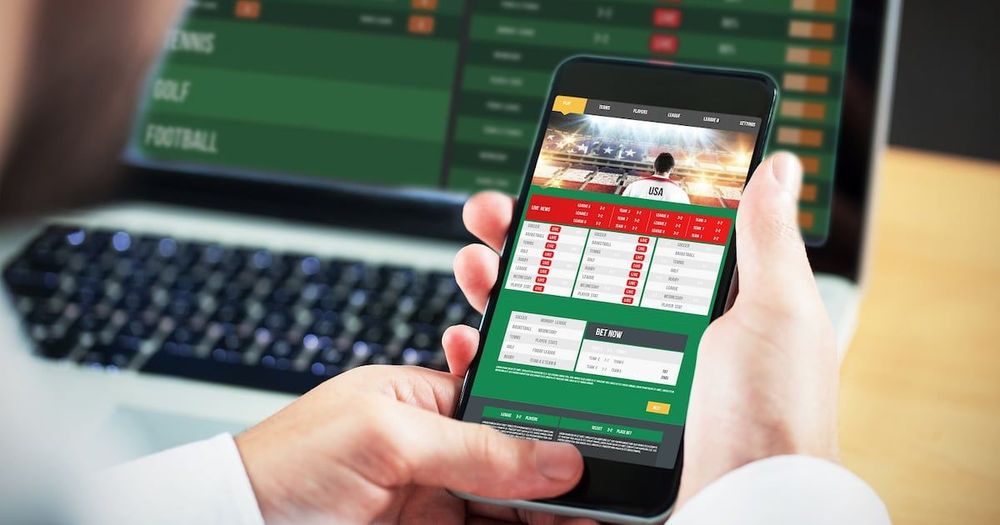
Sun International has announced plans to prevent social grant recipients from accessing its rapidly growing online betting platform Sunbet, as the gambling industry faces mounting pressure to address concerns about vulnerable consumers wagering funds intended for basic needs.
The JSE-listed casino operator, valued at R11bn, will implement a self-declaration system requiring customers to disclose their income sources when registering on the platform. Users who identify social grants or National Student Financial Aid Scheme (NSFAS) funding as their primary income will be automatically blocked from placing bets.
The move comes as approximately 18.8 million South Africans — representing 43% of the population — received social grants as of March 2026, with an estimated 27 million people benefiting when dependents are included. For the 2026 academic year, NSFAS processed 893,847 funding applications, with 520,545 applications coming from social grant beneficiaries, highlighting the overlap between these vulnerable groups.
However, the effectiveness of this exclusion measure remains uncertain, as the gambling industry lacks access to grant recipients' personal data needed to verify income sources. The industry would have to rely entirely on the honesty of consumers when declaring how they fund their betting activities.
Sun International CEO Ulrik Bengtsson acknowledged the limitations of the approach but defended it as a practical step forward. "Sun International does not have access to South African Social Security Agency or NSFAS records. Those records contain personal information protected by law, and grant and bursary recipients are not prohibited from gambling."
"We are open to discussing with the government and regulators what more can be done to protect vulnerable players as part of the broader conversation about responsible regulation that we called for at the launch,"
he added, noting that self-declaration has been used with some success in other countries while respecting individual freedoms and privacy rights.
Explosive growth meets regulatory headwinds
The responsible gambling initiative forms part of Sun International's new charter, which also includes restricting gambling advertising during peak hours when minors might be exposed. The company will not air gambling advertisements between 6am and 8am or between 12pm and 6pm, and plans to deploy artificial intelligence technology next year to identify betting behaviour that may indicate problem gambling.
These measures come as Sunbet experiences exponential growth, with the platform recording a 75.9% surge in income to R2.1bn in the year ended December 2025. The broader South African gambling sector saw total turnover reach approximately R1.5 trillion in the 2024/25 financial year, representing a 31.3% increase from the previous year, with online betting accounting for around three-quarters of this activity.
This growth trajectory now faces significant threats from proposed regulatory changes. National Treasury published a discussion paper in November 2025 proposing a 20% tax on online gambling, with the public comment period closing on February 27, 2026. This national levy would be imposed in addition to existing provincial gambling taxes of 6% to 9%, bringing the combined tax burden to between 26% and 29% of gross gambling revenue.
Authorities have also floated the possibility of banning gambling advertising entirely, while stepping up enforcement against illegal operators. The National Gambling Board issued an Expression of Interest on June 30, 2026, seeking specialist service providers to deliver technology capable of monitoring, tracking, blocking and reporting illegal gambling websites.
Illegal operators dominate market
The competitive landscape that Sun International operates in is dominated by unlicensed offshore platforms, which account for approximately 62% of South Africa's online gambling market. More than 2,000 unlicensed websites actively target South African consumers, with an estimated 16 million South Africans having engaged with illegal offshore gambling platforms in the past year, according to a 2024 Yield Sec report commissioned by the South African Bookmakers Association.
The National Gambling Board has undertaken multiple enforcement initiatives beyond website blocking technology. The regulator has engaged with Google and Meta to remove illegal gambling advertising from their platforms and block websites from identified unlicensed operators. Additionally, the board has sent cease-and-desist letters to offshore operators and is engaging with foreign regulators in jurisdictions including Curaçao, Gibraltar, Malta and the Philippines to stop their licensees from operating illegally in South Africa.
Bengtsson warned that overly restrictive measures could prove counterproductive by pushing consumers toward unregulated platforms where they have no protection. "We can improve our own standards, but we cannot protect people who gamble with unlicensed operators. Rules or taxes that make licensed operators less competitive than offshore sites will push players towards platforms where they have no protection."
"With the government preparing new gambling legislation and the National Treasury's tax proposals on the table, now is the right time to have a serious discussion about responsible regulation,"
Bengtsson added, urging authorities to prioritise eliminating illegal operators rather than imposing measures that could disadvantage licensed platforms.