Exemptions and new tariffs
The exemptions cover some paper products, plywood, machinery and refrigeration equipment, as well as certain crates and packaging boxes, according to the White House.
The October 23, 2026 proclamation also expands the list of goods subject to the 50% duty. KPMG's Trade & Customs analysis of the White House fact sheet says certain valves, carpets and waste products are among the additions intended to offset the relief.
The White House described the changes as part of Trump's efforts to safeguard American workers and secure fair trade. The announcement leaves unresolved whether Washington and Ottawa can reach a broader agreement to end their trade conflict.
Tariff relief becomes a campaign issue
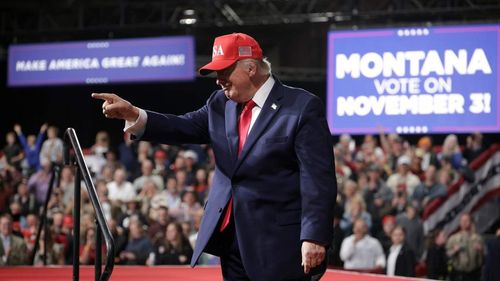
In Maine, Republican Sen. Susan Collins said she had repeatedly urged senior administration officials to relax the tariffs. Collins, who faces a close reelection race, said the exemptions would benefit the state's blueberry, potato, apple and seaweed producers.
Her Democratic opponent, Troy Jackson, challenged her effort to claim credit. He blamed Trump's trade war for adding to Maine residents' financial difficulties and raising their costs.
Maine shares borders with New Brunswick and Quebec and relies heavily on trade across the Canadian border. The dispute has also affected other U.S. states with economies dependent on Canadian trade.
Michigan Republican lawmaker Mike Rogers has called on Trump to end the dispute as well, after previously backing the tariffs in political advertisements in his state.
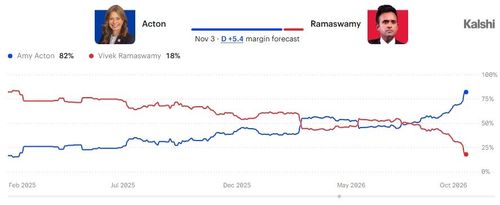
The election will decide whether Republicans or Democrats control Congress, with the outcome expected to directly affect the final two years of Trump's presidency.
The measures behind the dispute
The U.S. tariffs affected roughly $20 billion in Canadian goods. Trump defended them by alleging that Canada treated American products unfairly, especially in the automotive, dairy and alcohol sectors.
The Congressional Research Service traces the measures to a shift in U.S. tariff policy following the Supreme Court's February 2026 decision in Learning Resources, Inc. v. Trump. The court ruled that the International Emergency Economic Powers Act did not authorize presidential tariffs. The United States subsequently relied on other laws, including Section 338 of the Tariff Act of 1930, to impose tariffs on goods from most trading partners.
Section 338 was the authority used for the 50% tariffs on Canada. In its September 14, 2026 report, the Congressional Research Service said no previous U.S. president had expressly cited that provision to impose tariffs. It also noted that the tariff actions followed Washington's decision not to renew the United States-Mexico-Canada Agreement, or USMCA, in its current form.
Trump temporarily suspended the duties on August 18, citing progress in negotiations. That pause lasted until August 22, when the tariffs took effect after the countries failed to reach an agreement, according to the Congressional Research Service.
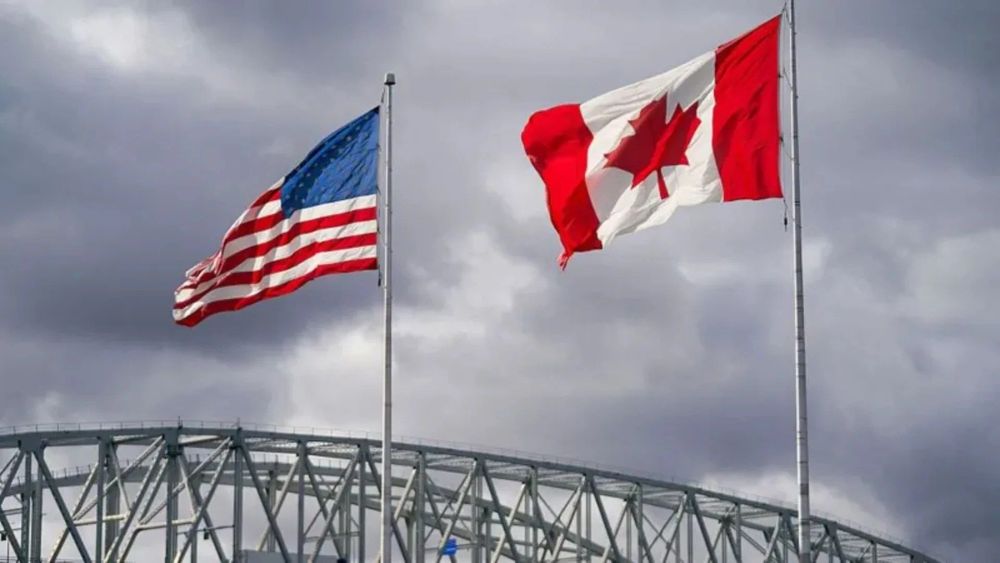
Canada's response took effect on September 8: duties of 15% to 50%, depending on the product, on C$27.6 billion, or about US$20 billion, in American goods. The counter-tariffs matched the value of goods covered by the U.S. measures. Prime Minister Mark Carney said they were needed to protect Canadian workers.
Washington also used Section 338 to bar certain Canadian imports beginning September 29, the Congressional Research Service said. Those restrictions included alcoholic beverages, certain dairy products, molasses and motorcycles.
The tariff rules do not exempt covered Canadian goods that qualify for preferential treatment under the USMCA, according to KPMG. The Section 338 duties also apply on top of duties imposed under Section 232 of the Trade Expansion Act of 1962, rather than replacing them.
Ottawa reviews the changes as talks continue
Dominic LeBlanc, Canada's minister responsible for internal trade, said Ottawa would examine the new measures. He said Canada remained open to constructive negotiations conducted in good faith, with the goal of a trading relationship that better serves both countries.
LeBlanc also reported that a Canadian delegation met with members of the Canada-U.S. Economic Relations Advisory Committee on Thursday. It was the ninth such meeting since April 2026, and the discussion addressed the continuing effects of U.S. tariffs on Canada's economy.
Trump said Friday that Canada was working intensively toward a trade agreement. Carney said his government was prepared to conclude a mutually beneficial deal, but would not hurry into accepting terms contrary to Canada's interests.
According to CBC, Carney said a deal could be reached immediately if the United States were willing. He also said Canada was prepared to wait months, or even until a different U.S. administration took office, to obtain a fair agreement.