A dispute over federal intervention
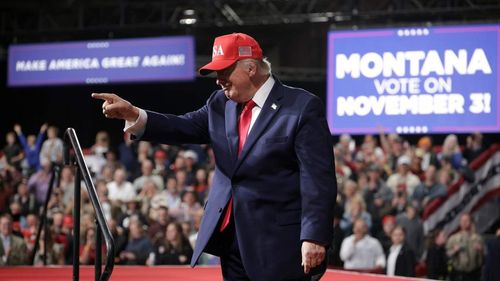
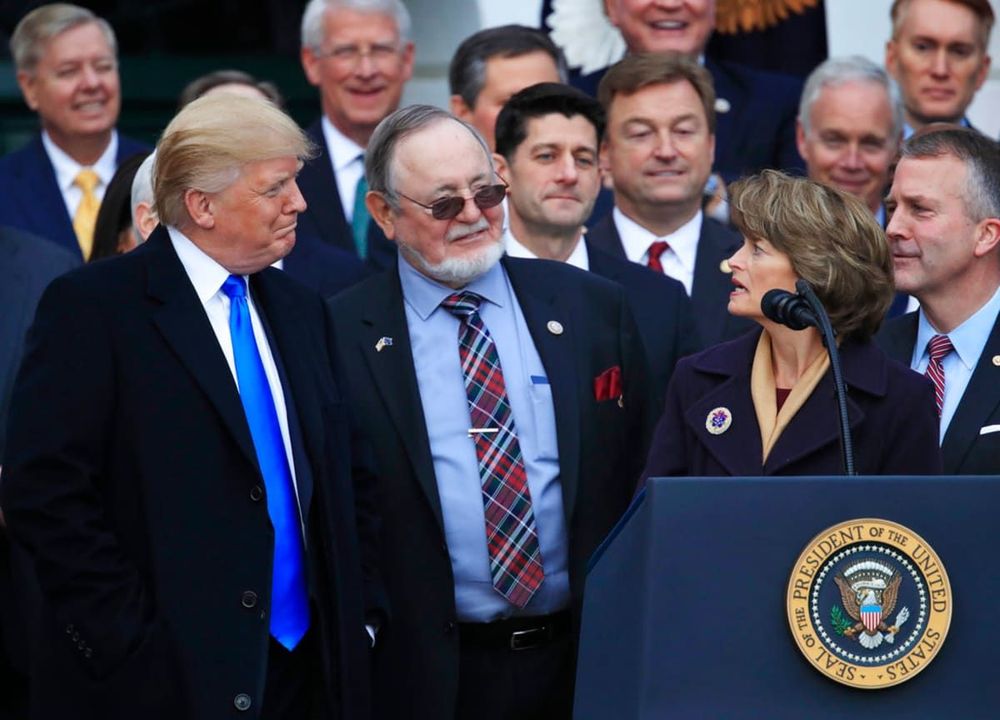
Trump said on Truth Social that Murkowski "probably wants" Democrats to steal the election and called her "a DISGRACE to Alaska and our Country." He attributed her election to ranked choice voting, described the ballot as a "TOTAL DEMOCRAT SCAM meant to confuse the Voter" and urged Alaskans to support Ballot Measure 2, which would repeal that voting system.
Murkowski had argued Friday that Alaska had already addressed the candidates' similar names. "Alaskans don't need any help voting for their preferred candidates, and the State of Alaska has already handled this by clearly distinguishing the candidates on this year's ballot," she wrote on X. "The Department of Justice should never have filed this lawsuit."
Trump has said the department filed the lawsuit at his behest. According to CNBC, it was filed Thursday, Oct. 22, 2026, in U.S. District Court in Alaska and seeks to prevent certification of "any result that may be impacted by voter confusion" until an investigation determines whether ballots cast for Daniel J. Sullivan were intended for Sen. Dan Sullivan.
The defendants are the state, Alaska Elections Division Director Carol Beecher, Alaska's election boards and its Ballot Counting Review Board.
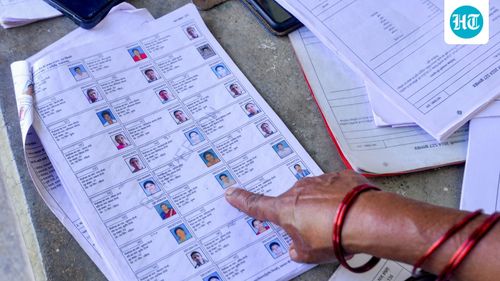
Two Sullivans in a close contest
Republicans worry that Daniel J. Sullivan could draw votes away from the incumbent, potentially giving Democratic Rep. Mary Peltola an advantage. Trump alleged in his post that the second Sullivan was on the ballot to help Democrats steal the election.
CNBC identified Daniel J. Sullivan as a retired teacher from Petersburg, Alaska, and a former Alaska Independence Party member. State election officials initially kept him off the primary ballot, but he secured a place through a state court challenge upheld by the Alaska Supreme Court.
Peltola finished first in the Aug. 28, 2026, open primary with 49.5% of the vote, followed by Sen. Sullivan with 41.4%, CNBC reported. Republican Gerald Heikes received 1.1%, securing the fourth spot on the general-election ballot.
By late October, the Cook Political Report with Amy Walter classified Alaska as one of seven Senate toss-up races. CNBC also reported that FiftyPlusOne's polling average put Peltola 2 percentage points ahead of Sen. Sullivan.
The outcome may not be available immediately after the Nov. 3 election. According to Newsweek, Alaska allows time for rural and absentee ballots to arrive, so results can take up to 15 days to finalize. That window predates ranked choice voting. Final tabulation and reporting of unofficial results are scheduled for on or before Nov. 18.
The broader changes in Ballot Measure 2
Trump's call for a "YES" vote concerns more than ranked choice voting. Ballot Measure 2, listed on the 2026 ballot as 24ESEG, would also eliminate Alaska's nonpartisan, open top-four primary, according to the Alaska Division of Elections and Alaska Public Media's July 29 report. Closed party primaries would return, with parties deciding who could participate.
The measure would also undo campaign finance disclosure provisions approved by voters in 2020, Alaska Public Media reported. Among them is a rule requiring individuals and entities that contribute more than $2,000 to candidates or campaigns to disclose the money's true source.
Alaska voters adopted ranked choice voting in 2020, and the state first used it in the 2022 midterms, according to Newsweek. A similar repeal proposal failed in 2024 by 737 votes out of 320,985 cast. Alaska Public Media reported that supporters began another campaign in 2025 and gathered more than 34,000 signatures to return the question to voters in 2026.