Recorded guidance from the sheriff
The hotline opens with a recording from Sheriff Robinson explaining resources for scam victims. Callers can describe their situation in a message after listening for about two minutes.
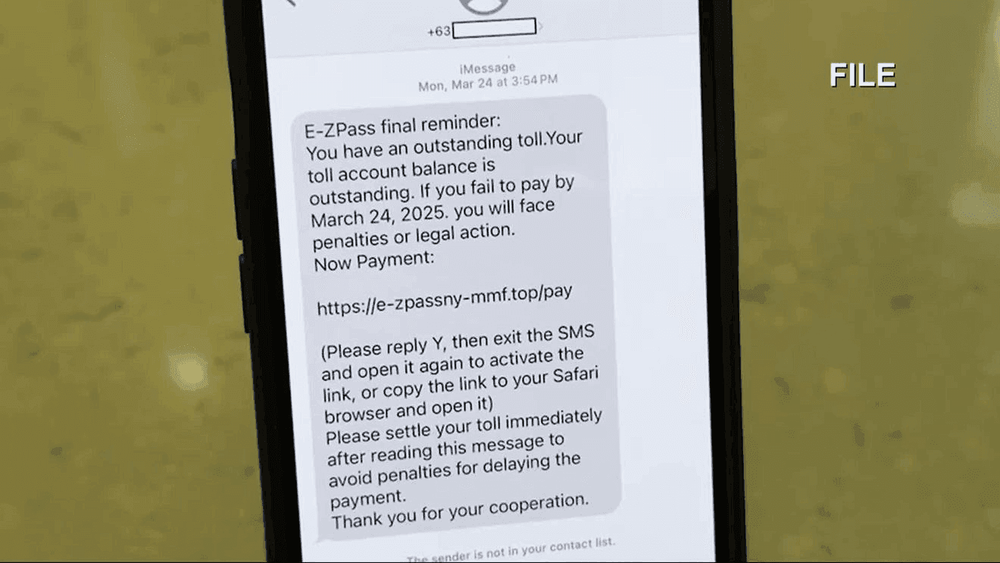
Robinson wants the service to help residents recognize scam warning signs and avoid losing money. He says scammers use fear and pressure to make people feel they must send money immediately.
What to do before sending money or information
The sheriff's office recommends four steps when a suspicious caller asks for money, gift cards or personal information, according to WCTI12: pause, ask questions, hang up and call the PAUSE hotline.
Start by withholding money and personal or financial information. Then try to get the caller's name and phone number. Before ending the call, say you will call back, but independently verify any number before dialing it.
The final step is to call 252-207-0414 and follow the recorded instructions.
Reaching people at risk
Although phone scammers frequently target older adults, the sheriff's office cautions that people of any age can become victims. It is asking residents to pass along the hotline information to relatives, friends and neighbors, especially people who may not use social media.
National fraud reports show substantial losses among older Americans. AARP's account of the FBI's 2025 Internet Crime Complaint Center (IC3) Annual Report says people age 60 and older reported losing $7.7 billion to fraud in 2025, roughly 60 percent more than in 2024.
Across all ages, the FBI received more than 1 million internet crime complaints in 2025. Reported losses reached $20.9 billion, up 26 percent from 2024.
For an immediate threat or emergency, the sheriff's office directs residents to call 911.