Cincinnati Public Schools holds first town hall on levy, budget deficit
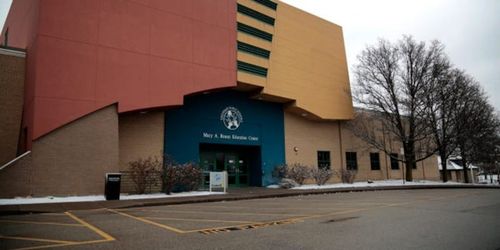
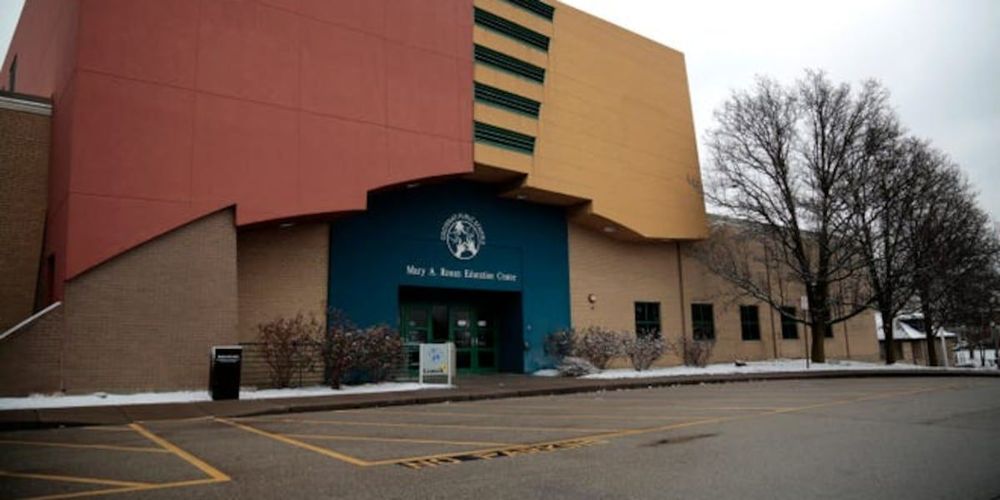
Cincinnati Public Schools officials held the first of two community meetings Tuesday night to warn voters about the severe consequences facing the district if a critical tax levy fails on the November 3 ballot.
Superintendent Shauna Murphy and Treasurer Mike Gustin told residents that the district faces a projected deficit by 2029 and has been placed under fiscal caution status by the Ohio Department of Education and Workforce, requiring submission of a financial recovery plan by November 30.
"Obviously school districts can't go negative. You know, if they go negative, the state comes in and takes over, so we have some important work to do," Gustin said during the town hall-style meeting where community members could ask questions about the budget crisis.
Issue 4: The proposed levy
Issue 4, appearing on ballots next month, would establish a 7-mill property tax levy estimated to collect just over $66 million annually for five years. The levy would cost homeowners approximately $245 per $100,000 of home value each year. This represents the district's first new operating levy in nearly a decade.
Declining state funding
Gustin explained that the district's revenue has remained flat while expenditures continue rising. Murphy pointed to declining state support as a major factor in the budget crisis. State funding for Cincinnati Public Schools has dropped from approximately 40% of the district's budget a couple years ago to about 25% currently.
"The state has said to school districts, 'Get it from your public,'" Murphy said.
This trend reflects a statewide pattern. Ohio's average state share of school funding has plummeted from approximately 43% in fiscal year 2024 to a projected 32% in fiscal year 2027, marking a historic low that has never previously fallen below 40% since 1999.
Cost-cutting measures already taken
The district has already taken significant cost-cutting measures. Before the start of the 2026-27 school year, Cincinnati Public Schools eliminated more than 100 jobs district-wide and cut several programs to address a $58 million budget gap. The reductions included 81 central office positions, 12 social workers, eight counselors, and 10 assistant principals.
Consequences if the levy fails
If voters reject the levy, district officials warned that cuts totaling $20-25 million would begin almost immediately next year, with similar reductions required in subsequent years.
"If the levy doesn't pass this time, you are looking at 20-25 million dollars worth of cuts next year, but then the next year after that you are looking at the same level of cuts and the same level of cuts," Gustin said.
Unlike previous budget shortfalls when the district could reduce spending on supplies and materials, administrators said future cuts would likely target programs and personnel. Potential reductions could include school consolidation, reduced student transportation services, and new pay-to-play fees for athletics.
Risk of state takeover
The stakes extend beyond budgetary concerns. If Cincinnati Public Schools reaches fiscal emergency status, the state would assume control of the district's finances and decision-making authority, potentially overriding the elected school board. This scenario is already playing out elsewhere in Ohio, where three school districts currently operate under state fiscal emergency designation. Mt. Healthy City Schools in Hamilton County faces the most severe fiscal emergency status with a $10.8 million deficit on a $45 million budget.
From income tax to property tax
The current property tax proposal represents a revised approach to addressing the funding crisis. The Cincinnati Board of Education initially voted to place a 0.75% earned income tax on the ballot but rescinded that plan after receiving heavy criticism from both Hamilton County Republican and Democratic parties. The board then replaced it with the current property tax levy.
About the district
Cincinnati Public Schools, Ohio's second largest public school district by enrollment, serves approximately 34,860 students across 66 schools, including 42 elementary schools, six middle schools, 18 high schools, and four combined K-12 schools.
A second town hall meeting is scheduled for next Tuesday at 6 p.m. at Walnut Hills High School, where district officials will continue answering community questions about the budget situation and levy proposal.