California Senate Passes Bill to Fine Influencers Who Don't Disclose Paid Political Posts
The California Senate passed legislation Monday that would impose fines on content creators who fail to disclose when they are paid to promote political candidates or ballot measures on social media, marking a significant escalation in the state's efforts to bring transparency to political influencer marketing.
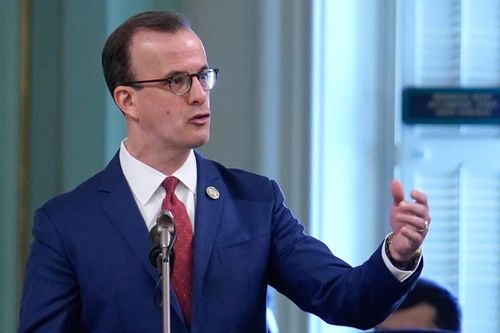
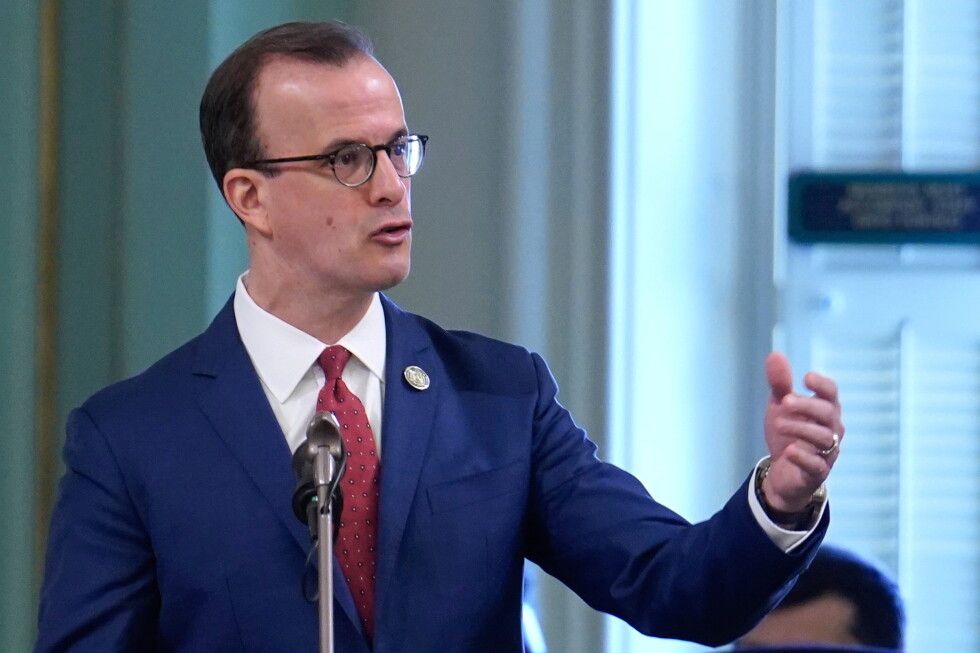
The bill, authored by Democratic Assemblymember Marc Berman, would empower the state's Fair Political Practices Commission to levy fines of up to $5,000 per violation against influencers and political committees that break disclosure rules. The measure must pass a final Assembly vote before reaching Democratic Gov. Gavin Newsom, who has until the end of September to sign or veto it.
Strengthening Existing Law
California first required content creators to include payment disclaimers on political posts in 2023, making it one of only two states with such regulations. Texas followed suit in 2024, when the Texas Ethics Commission unanimously approved a rule requiring influencers to disclose payments exceeding $100 for political content.
The Texas rule came after a Texas Tribune investigation revealed that a company called Influenceable LLC hired influencers to defend Attorney General Ken Paxton during his 2023 impeachment trial without proper disclosure, illustrating the type of abuse that disclosure laws aim to prevent.
Voters should have a right to know whether or not campaigns are paying for the messaging that they're seeing.
Berman said in an interview last month. Berman, who has served in the California State Assembly since 2016 and previously chaired the Assembly Elections Committee until late 2021, has focused extensively on campaign finance disclosure and voting rights throughout his legislative career.
Addressing Enforcement Challenges
Under current California law, the state's campaign watchdog can seek a court order compelling an influencer to disclose paid posts, but that process can take months. The new bill would allow the Fair Political Practices Commission to bypass the court system entirely and issue fines directly, significantly accelerating enforcement.
The commission, which supports the proposal, handles over 2,500 complaints and referrals annually about potential violations of the Political Reform Act. In 2024, the agency prosecuted over 1,000 cases and issued more than $802,000 in administrative fines, the highest total since 2017, demonstrating both the scale of enforcement challenges and the commission's capacity to handle expanded authority.
California further refined its influencer disclosure framework in 2024 when it adopted Regulation 18450.10, which specifically addresses advertisements by paid third-party influencers. This regulation followed Senate Bill 678, which added Section 84513 to the Political Reform Act effective January 1, 2024.
Federal Gap Drives State Action
The California bill's passage comes as federal efforts to regulate political influencer disclosure remain stalled. Sen. Adam Schiff of California introduced legislation in Congress last month addressing the issue, but it has not received a vote. Federal Election Commission regulations do not currently include specific rules for influencer endorsements of political campaigns, leaving this area as a legal gray zone that Congress has yet to address.
The absence of federal regulation has made state-level action particularly significant as political campaigns increasingly invest in influencer marketing. Political campaigns spent tens of millions of dollars on creator-driven messaging in 2024, with party conventions welcoming scores of influencers to their events.
The stakes are especially high among younger voters, with over one-third of adults under 30 using social media as their primary news source, according to Pew Research. This demographic shift underscores why transparency in political influencer content has become a priority for state lawmakers seeking to protect electoral integrity in the digital age.