New UPI merchant fees: How 0.4% charge compares to card payment costs
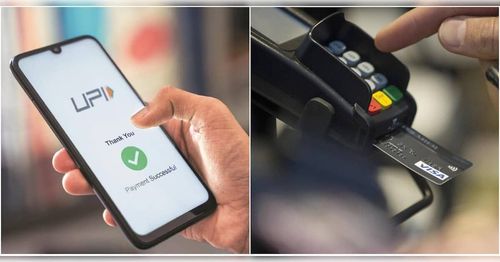
India's Unified Payments Interface is set to implement a merchant discount rate of 0.4 per cent on transactions exceeding Rs 2,000, effective October 15, marking a fundamental shift in the country's digital payments landscape. The new charge structure positions UPI as the most cost-effective option among major digital payment methods for merchants, substantially undercutting traditional card-based transactions.
The introduction of merchant fees follows six years of zero-cost operations. The government eliminated all UPI transaction charges in January 2020 through amendments to the Payment and Settlement Systems Act, 2007 and Section 269SU of the Income-tax Act, 1961, as part of a broader strategy to accelerate digital payments adoption across the country.
Comparing payment method costs
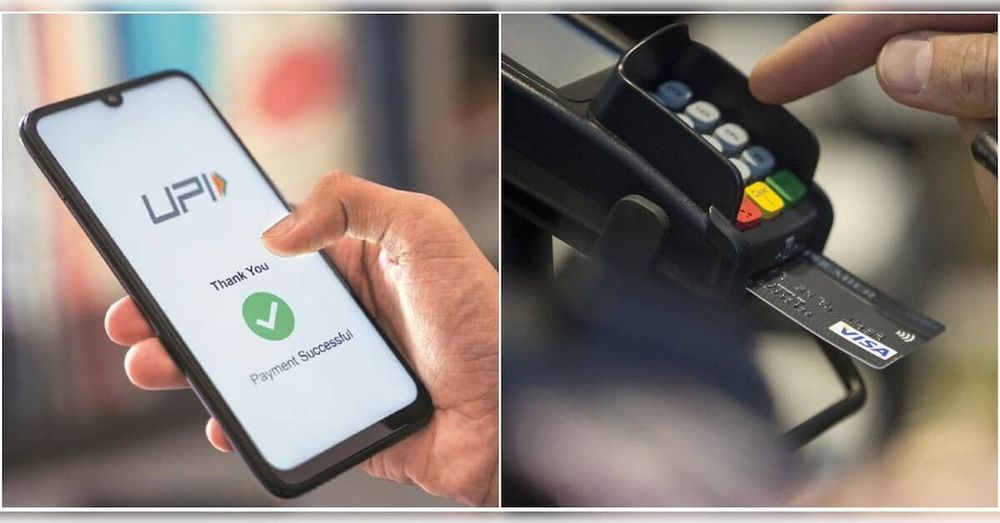
Under the new framework, merchants accepting UPI payments above Rs 2,000 will pay 0.4 per cent of the transaction value. This rate stands markedly lower than existing alternatives: credit card transactions typically cost merchants between 1.5 per cent and 3 per cent, while debit card charges are capped at up to 0.9 per cent by the Reserve Bank of India.
The differential pricing makes UPI considerably more attractive for businesses processing higher-value transactions. For a Rs 10,000 purchase, a merchant would pay Rs 40 through UPI, compared to Rs 90 for debit cards or between Rs 150 and Rs 300 for credit cards.
Small merchants processing up to Rs 1 lakh monthly through UPI QR codes under the Person-to-Person Merchant framework will continue enjoying zero fees even on transactions exceeding Rs 2,000. This exemption protects micro and small businesses from additional cost burdens.
Limited scope of impact
The actual impact of the new charges will affect only a fraction of UPI's transaction volume. Payments below Rs 2,000 account for more than 95 per cent of all UPI person-to-merchant transaction volumes, meaning the vast majority of digital payments will remain completely free for merchants.
Specific merchant categories including railways, telecommunications services, insurance providers and fuel retailers will operate under different terms. These sectors will pay a flat MDR of Rs 5 per transaction for payments above Rs 2,000, rather than the percentage-based rate.
The scale of UPI operations underscores why sustainable funding became necessary. The platform processed 24.51 billion transactions worth Rs 29.82 lakh crore in August 2026, averaging nearly 791 million transactions daily. Industry estimates place the annual cost of running UPI operations, including server infrastructure, fraud prevention systems and technical support, at approximately Rs 20,000 crore.
Consumer protection measures
Merchants are explicitly prohibited from passing the MDR charge to customers under the new framework. The National Payments Corporation of India has stated that consumers will pay only posted prices, and UPI application providers cannot levy platform fees on users. This ensures end customers face no additional costs despite the merchant charges.
The regulatory approach represents a return to earlier pricing structures rather than entirely new territory. Prior to the 2020 zero-MDR policy, the Reserve Bank of India permitted charges of 0.40 per cent to 0.90 per cent on debit card transactions and up to 0.30 per cent with a maximum cap of Rs 100 per transaction on UPI merchant payments.
UPI's international expansion adds another dimension to these developments. The platform has extended operations to 11 countries as of 2026, with live payment services active in the UAE, Singapore, France, Mauritius, Bhutan, Nepal, Sri Lanka and Qatar, demonstrating India's digital payment infrastructure gaining traction in international markets including the Middle East region.