Evolving Tactics in Ukraine's Deep-Strike Campaign
Dark smoke billowed into the sky over one of Russia's largest retail warehouses the morning after Ukrainian drones struck the massive logistics center outside Moscow. The facility, still burning hours later, represented the latest target in Kyiv's expanding campaign to carry the war hundreds of miles inside Russian territory.
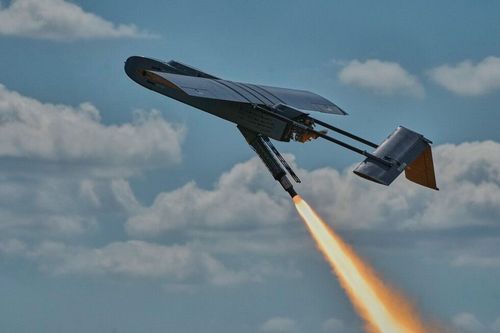
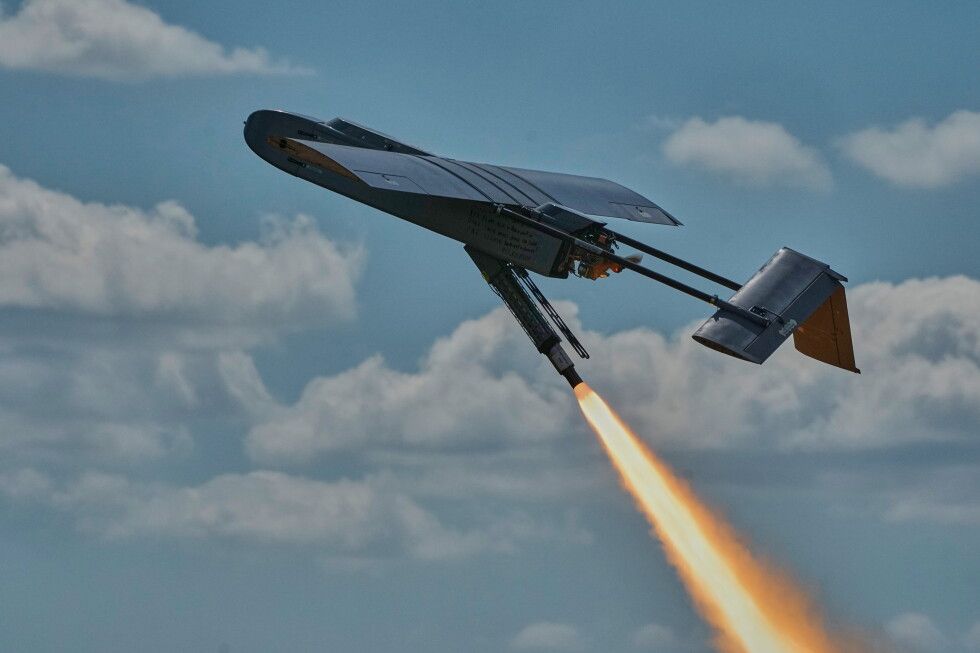
Hundreds of miles away in southern Ukraine, drone crews from the 413th "Raid" Unmanned Systems Regiment had barely finished their night's work before assembling in a sunflower field to prepare another wave of strikes. Twenty small plane-like drones, each laden with explosives, stood ready for launch toward targets deep in Russia.
The Sunday morning launch, observed by Associated Press journalists in a rare glimpse of Ukraine's drone operations, showcases Kyiv's latest approach to the conflict. Long-range drones now carry the war far from the front lines, striking military installations, industrial facilities and logistical centers across Russia.
The 413th Regiment, established as a battalion in August 2024 and expanded to regiment status in October 2025, operates Ukraine's domestically-produced FP-1 drones. These aircraft can fly up to 1,600 kilometers and carry warheads weighing between 60 and 120 kilograms, with upgraded versions capable of reaching targets 3,400 kilometers away. At approximately $55,000 per unit, Ukraine has produced over 5,000 of these drones, with manufacturing capacity reaching 3,000 units monthly by late 2025.
Regiment commander Yevhen Karas confirmed his unit participated in the strike on the Wildberries warehouse, located about 45 kilometers south of Moscow. Before the Sunday launch, he inscribed a message on one drone's fuselage: "Moscow burns under the sky, red flame rises so warm and high, dark smoke moves above the town, fire lights the night all around."
Targeting Russia's Retail Giant
The Wildberries facility in Koledino represents a significant economic target. The warehouse covers more than 225,000 square meters, making it the company's largest in Russia, and employs approximately 13,000 people. Wildberries, Russia's dominant online retailer, generated roughly $72 billion in revenue in 2025 while serving over 79 million monthly users through more than 90,000 collection points nationwide.
This strike was not isolated. Since July 18, 2026, Ukrainian forces have hit at least 21 Wildberries warehouses, knocking seven of the company's ten largest logistics hubs out of operation by August 17. Together with competitor Ozon, Wildberries controls approximately 80 percent of Russia's e-commerce logistics market, facilitating transactions worth roughly 8.5 percent of Russia's GDP and supporting around 4 million jobs.
According to Moscow Mayor Sergei Sobyanin, 600 drones flew toward the Moscow region overnight on August 15-16, while Russia's Defense Ministry claimed destroying 822 drones across the country that night. The scale represents one of Ukraine's largest aerial operations to date, part of an escalating pattern that included strikes involving 660 drones on June 26 and 556 drones on May 17, according to Russian military figures.
Bringing the War Home
For Karas, a 38-year-old philosophy graduate who volunteered when Russia invaded on February 24, 2022, the strategy aims to pressure Moscow into negotiations. His brother Volodymyr was killed defending the Kyiv region in the early months of the war. Karas later rose through Ukraine's Special Operations Forces before taking command of the 413th Regiment.
"We want to get a stable and long period of peace, and normal peace,"
Karas said. "The bigger casualties they have,"
he added, the sooner Russia will seek peace.
The regiment's composition reflects Ukraine's wartime transformation: among its ranks are a former opera singer, computer programmer, rapper and cellist. Their routine now centers on preparing drones, checking systems and launching strikes. The unit's challenge coin bears a three-pronged arrow on one side and depicts the Kremlin in flames with a drone overhead on the other.
Karas believes the economic impact of strikes on facilities like Wildberries warehouses will demonstrate the war's cost to ordinary Russians and increase pressure on President Vladimir Putin. So far, Putin has shown no indication of ending the conflict, even as U.S.-brokered peace talks have stalled in recent months.
"Muscovites should spend their nights in their wonderful metro, just as residents of Kyiv have spent years going underground to escape Russian missile and drone attacks,"
Karas said.
After launching the drones from the sunflower field, the soldiers quickly packed their equipment and departed, leaving minimal trace of their operation. They were already moving toward the next launch site, continuing a campaign that has disrupted Russian airports, sparked fuel shortages and stretched Moscow's air defenses across vast distances—bringing the consequences of war directly to the Russian heartland.