Deliveries begin with a precinct pilot
The initial service will cover the Gold Coast Health and Knowledge Precinct, ahead of planned expansion elsewhere in the city and beyond. The precinct has more than 3,000 residents, and 20,000 students attend Griffith University, where Serve will base its fleet. Robots will return to the university depot at the end of each shift.
Customers will be able to accept or decline robot delivery in the DoorDash app. The pilot fits DoorDash's strategy of using different delivery methods: sidewalk robots are intended for short trips in relatively dense urban areas, while human drivers handle longer-distance orders.
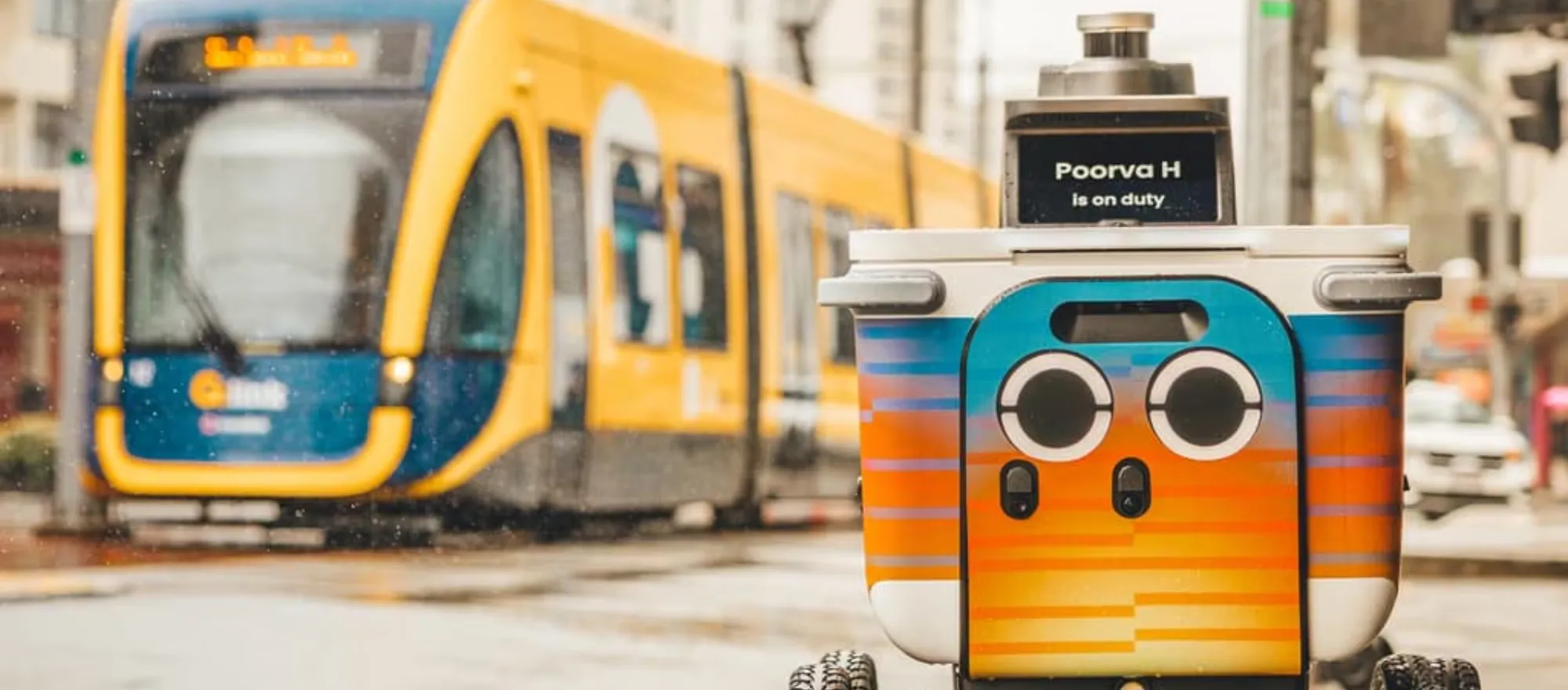
According to 7NEWS, the four-wheeled robots weigh about 100 kilograms, move at walking speed and carry food in insulated compartments that keep it hot or cold. Serve reports a 99.8% delivery success rate for the technology.
The launch announcement says the robots yield to pedestrians, with trained remote supervisors available to help when needed. A contact number displayed on each machine lets members of the public ask questions.
Serve's first move beyond the US
The launch follows months of robot testing spotted in Surfers Paradise and partnerships with DoorDash and Griffith University. Serve CEO Ali Kashani said the Gold Coast's walkable neighborhoods and willingness to embrace innovation made it a suitable first overseas location.
Kashani said Serve had already delivered for more than 4,500 restaurants in its home market. Its US operations include Los Angeles, Miami, Dallas, Chicago and Atlanta. He described the Australian service as another way for local restaurants to reach customers and said the company would work to earn community trust through its deliveries. He said he was especially looking forward to a Gold Coast family opening the door to find a robot with dinner.
Serve has also expanded beyond outdoor delivery. According to its October 2026 launch materials, the company acquired Diligent Robotics in 2026, adding indoor service robots used in hospitals to its operations.
University depot and local hiring
Mayor Tom Tate welcomed the pilot as evidence of the Gold Coast's smart-city ambitions. He said Serve's decision reflected confidence in the city and its technology sector, and credited Invest Gold Coast with attracting global technology companies and linking them with local partners.
Griffith's vice president of industry and external engagement, Professor Bronwyn Harch, described the arrangement as a world-first university partnership with Serve. She said it would give students practical experience and routes into robotics careers, while exploring how emerging technology could help make communities safer, greener and more inclusive.
Serve is recruiting operations staff and technicians for the Griffith depot, according to the launch announcement. The company and university are also exploring internships and early-career opportunities for Griffith students and graduates in robotics, autonomy operations and field engineering.
Regulatory hurdles and overseas opposition
The pilot comes amid regulatory obstacles for delivery robots in Australia. SBS News reported on October 29 that the machines are not automatically permitted to operate and that local councils have a leading role in determining the rules. Gold Coast City Council has been working with technology companies and Griffith University on how autonomous robots could operate on local streets.
SBS News also described hostility toward delivery robots overseas, including videos of residents attacking machines in Chicago, Los Angeles and Philadelphia. It reported that retired professor Carolyn Marvin was arrested earlier in October after a protest campaign in which she deliberately blocked robots, citing concerns that they could replace human workers.