AG Fitch urges NSC to protect GLP-1 Drugs
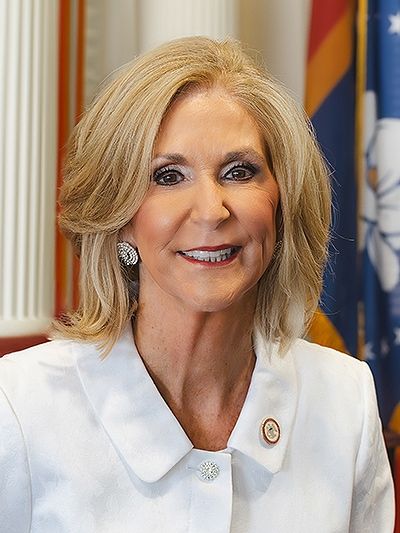
Mississippi Attorney General Lynn Fitch joined a coalition of 20 state attorneys general in sending a letter to Secretary of State and National Security Advisor Marco Rubio, urging heightened protection of the U.S. pharmaceutical supply chain ahead of Xi Jinping's upcoming meeting with the President. The letter focuses on recent reports of Chinese-source businesses attempting to circumvent American safety regulations for GLP-1 drugs, a class of medications used to treat type 2 diabetes and chronic weight management.
"The FDA has set up a structure to protect American healthcare consumers from unsafe and ineffective overseas products, but some suppliers, particularly from China, are looking for ways around those safeguards. Constant vigilance is needed," said Attorney General Fitch. "I am proud to stand with my colleagues and offer our support to the administration to ensure consumers are purchasing safe, regulated products."
The Green List System and Its Vulnerabilities
In September 2025, the Food and Drug Administration established a "Green List" through Import Alert 66-80 to help prevent potentially dangerous GLP-1 drugs and active pharmaceutical ingredients from unverified foreign sources from entering the U.S. market. The system identifies foreign manufacturers that the FDA has inspected or evaluated and found in compliance with current good manufacturing practice standards for GLP-1 active pharmaceutical ingredients.
The attorneys general identified specific risks from pharmaceutical ingredients used in popular compounded GLP-1 drugs, including semaglutide, tirzepatide, and retatrutide. Semaglutide is marketed under brand names including Ozempic, Wegovy, and Rybelsus, while tirzepatide is sold as Mounjaro and Zepbound. Some reports indicate Chinese companies with direct ties to entities that manufacture fentanyl are now selling cosmetic and weight-loss peptides.
The Green List emerged from FDA inspections and remote regulatory assessments of 48 manufacturing sites for GLP-1 active pharmaceutical ingredients, of which 21 percent were deemed noncompliant under the Federal Food, Drug, and Cosmetic Act. The FDA also identified a pattern in which manufacturing sites would register as GLP-1 manufacturers, offer products for import, refuse to answer FDA requests for records, and then deregister.
Harbin Case Exposes Evasion Tactics
The coalition letter highlighted a recent FDA warning issued to Chinese company Harbin Jixianglong Biotech Co., Ltd. on May 1, 2026. An on-site inspection discovered that Harbin, despite being on the Green List, had purchased knock-off semaglutide from a non-Green List facility. The company then repackaged and relabeled the non-Green List products under Harbin's name, changed the manufacturing and retest dates, and distributed them to the United States.
The Harbin violation demonstrates how the Green List alone may not be sufficient without rigorous enforcement. The company's inclusion on the approved list provided a veneer of legitimacy that was only pierced through direct inspection.
The Compounding Market Context
The vulnerability in the GLP-1 supply chain developed against the backdrop of significant drug shortages. Beginning in 2022, compounding pharmacies were legally permitted to make copies of semaglutide and tirzepatide when both drugs were added to the FDA drug shortage list due to surging demand. At their peak in 2024, nearly one in three Americans taking a GLP-1 drug obtained it from a compounding pharmacy rather than the brand-name manufacturer, often at costs of $150 to $300 per month compared to over $1,000 for brand-name versions.
The tirzepatide shortage was resolved in December 2024, and the semaglutide shortage ended in February 2025, but the compounding market created during this period established supply chain pathways that remain vulnerable to exploitation.
Mississippi's Broader China Strategy
Attorney General Fitch has been at the forefront of state-level legal action against China. She was one of two attorneys general to sue China for COVID-related damages, originally filing the lawsuit in 2020 and alleging the country deliberately hid information about the pandemic and hoarded personal protective equipment.
In November 2025, a federal district court ordered China to pay more than $25 billion, plus post-judgment interest and costs, to Mississippi. The judgment was entered against five defendants: the People's Republic of China, the Chinese Communist Party, the National Health Commission, the People's Government of Wuhan, and the Wuhan Institute of Virology, for violations of Mississippi's antitrust act and consumer protection act.
Mississippi is not alone in pursuing such litigation. Missouri secured a separate default judgment against China of approximately $24 billion in March 2025 for COVID-related damages, and the Missouri Attorney General asked the State Department in November 2025 to help serve and collect on that judgment.
Joining Attorney General Fitch in the letter to Secretary Rubio are the attorneys general of Alabama, Arkansas, Georgia, Idaho, Indiana, Iowa, Kansas, Kentucky, Louisiana, Missouri, Montana, Nebraska, North Dakota, Ohio, Oklahoma, South Carolina, Tennessee, Utah and West Virginia.