India hits back at West, notes Europe's larger Russian energy trade
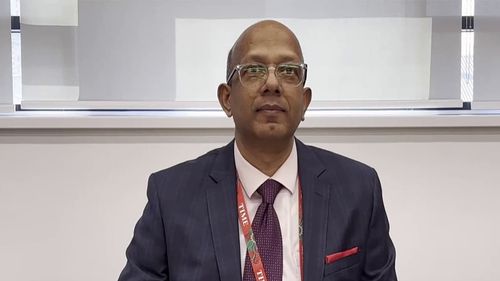
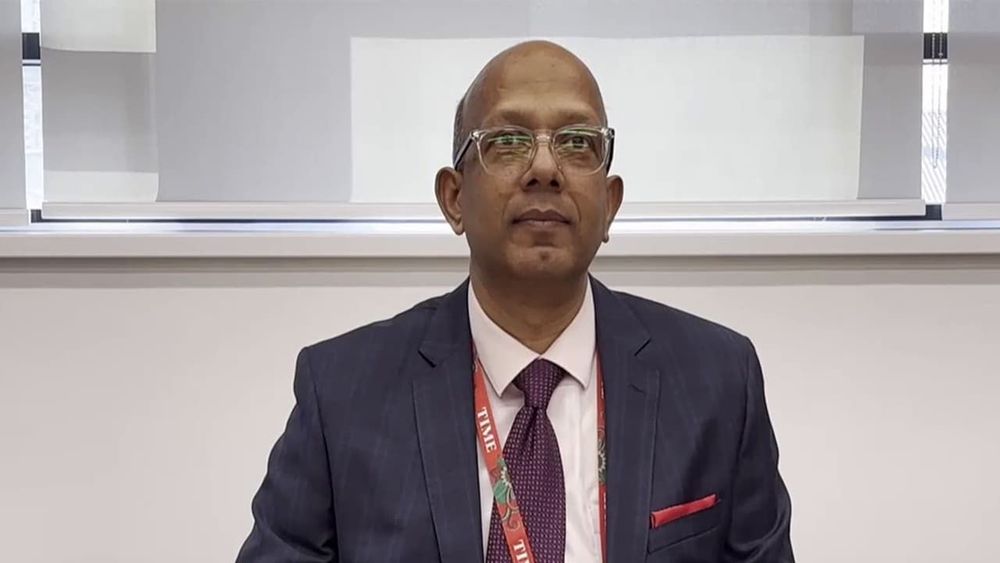
India's Ambassador to Russia Vinay Kumar has defended the country's purchase of Russian energy resources amid Western criticism and US sanctions, stating that ensuring energy security for India's 1.4 billion citizens remains the paramount concern for New Delhi's policy decisions.
Responding to statements from Western nations regarding India's energy trade with Moscow, Kumar pointed to Europe's continued imports from Russia. However, the figures cited have become a subject of dispute. While Kumar stated that Europe has imported more than 320 billion dollars of energy resources from Russia since 2022, the European Commission has provided different data. According to COMEXT figures managed by Eurostat, the EU imported €197 billion (USD 209 billion) worth of energy from Russia between March 2022 and July 2026. The EU paid €23 billion (USD 25 billion) to Russia for energy imports in 2024 alone, though the bloc has significantly reduced its dependence, cutting Russian gas imports from 45 percent in 2022 to 13 percent currently, with plans to eliminate all Russian gas purchases by the end of 2027.
Kumar emphasized that India's approach to energy procurement is guided by clear priorities. For us, the policy and practice are very clear - to ensure energy security of 1.4 billion people of India, diversified sources, predictable sourcing of these products at the most competitive prices.
Dramatic shift in energy sourcing
The scale of India's energy relationship with Russia has transformed dramatically since the Ukraine conflict began. Before February 2022, Russian crude accounted for only about 2 percent of India's oil imports. Following Moscow's invasion of Ukraine and the offering of discounted prices, Russia became India's largest oil supplier, now accounting for approximately one-third to 40 percent of India's total crude imports.
Bilateral trade between the two countries reached a record USD 68.7 billion in the financial year 2024-25, nearly six times higher than the pre-pandemic level of approximately USD 10.1 billion. Crude oil dominates this trade relationship, comprising more than 80 percent of India's imports from Russia.
The trade figures reveal a significant imbalance, with Indian imports from Russia totaling USD 63.84 billion in FY 2024-25 while exports stood at just USD 4.88 billion, creating a roughly 13:1 ratio in Russia's favor. This lopsided relationship underlies India's push for expanded market access and new trade arrangements.
Pursuing USD 100 billion trade target
India and Russia are working toward an ambitious bilateral trade target of USD 100 billion by 2030, formally agreed upon by Prime Minister Narendra Modi and President Vladimir Putin during the 22nd India-Russia Annual Summit in Moscow in July 2024. Kumar expressed confidence that the current growth trajectory would enable both countries to meet this goal.
38 billion dollars is the trade turnover in the first six months of this year. We have to both find new products to expand our trade basket and also increase the turnover of the individual products that we are exporting to Russia.
Three-pronged strategy for trade expansion
Kumar outlined three key areas of focus for strengthening bilateral commerce. First, India aims to diversify its export basket beyond current offerings. Second, New Delhi is working with Russian authorities to address standards and non-tariff barriers that Indian exporters face, particularly in agricultural and marine products sectors, while facilitating entry for new Indian companies with strong export track records.
The third major initiative involves negotiations for a Free Trade Agreement with the Eurasian Economic Union, which consists of five member states: Russia, Belarus, Kazakhstan, Armenia, and Kyrgyzstan. The treaty establishing the EAEU came into force on January 1, 2015. India and the EAEU signed terms of reference in August 2025 to formally launch FTA negotiations, following agreements made during Prime Minister Modi's visit to Russia in July 2024.
Major that we are working on is negotiations for a Free Trade Agreement with the Eurasian Economic Union, which will help Indian exporters to increase their exports to Russian market and also other markets which are members of the Eurasian Economic Union.
The ambassador's remarks came during the second edition of the India-Russia Business Forum, titled Tatarstan Initiative Mutual Efficiency (TIME), held in Kazan. The forum aims to facilitate business-to-business interactions, strengthen commercial partnerships and explore new opportunities for economic cooperation between the two countries.
India has consistently maintained that its energy procurement decisions are guided by national interests and the need to ensure affordable and reliable supplies for its population, a position that remains unchanged despite continuing scrutiny of its energy trade with Russia following the Ukraine conflict and Western measures targeting Moscow.