
Judge Removed from Murder Case as Texas Teen Convicted in Track Meet Stabbing Seeks New Trial
The judge who presided over the murder trial of Texas teenager Karmelo Anthony has been removed from the case ahead of a critical hearing to determine whether Anthony will receive a new trial in the fatal stabbing of 17-year-old Austin Metcalf at a high school track meet.
The removal Wednesday marks a significant legal victory for Anthony, now 19, whose defense attorneys sought the judge's recusal following comments state District Judge John Roach made to a Dallas television station after the June trial concluded. In the interview, Roach said the jury "got it right" when delivering the guilty verdict.
Anthony received a 35-year prison sentence for the killing, which occurred during a confrontation in stadium bleachers last year. Under Texas law governing violent felonies, he would need to serve at least half that sentence before becoming eligible for parole.
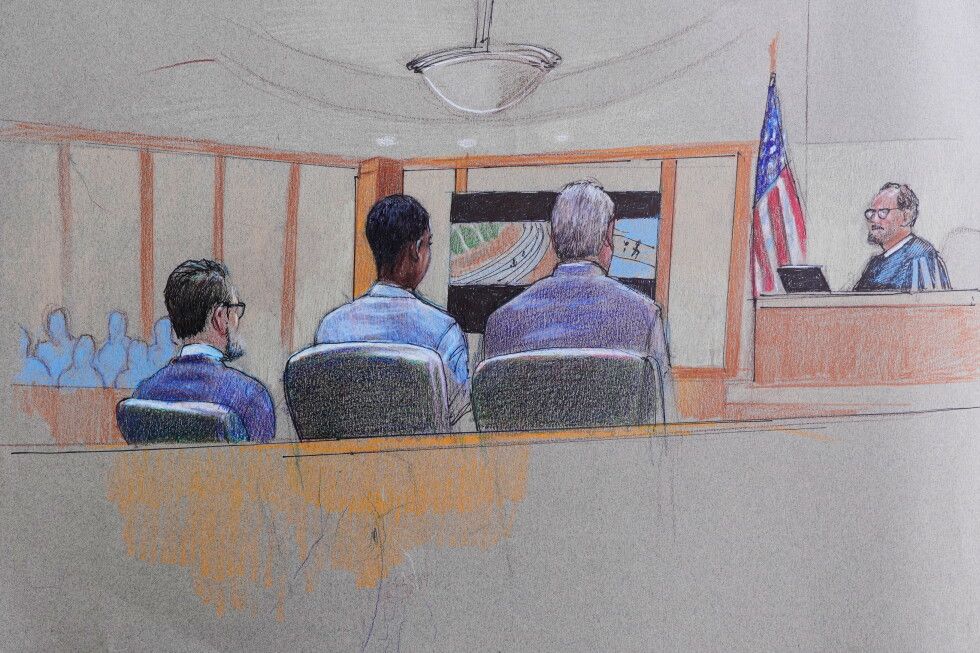
Visiting Judge Michael Chitty ordered Judge Roach's recusal during proceedings in McKinney, a rapidly growing city of more than 200,000 residents located approximately 30 miles north of Dallas in Collin County. Judge Sid Harle, who issued the recusal order, stated that while he believed Roach would be fair in a retrial hearing, the evidence suggested the judge's "impartiality might reasonably be questioned."
The ruling addresses a fundamental question in judicial ethics. Texas rules require judges to recuse themselves when their impartiality might reasonably be questioned, including situations where they have expressed opinions about a case's merits.
Courtroom Reaction and Next Steps
Anthony appeared in the suburban Dallas courtroom wearing a green prison jumpsuit. Outside the courthouse, cheers erupted in the hallway as supporters learned of the decision, with some chanting "Free Karmelo!" in the parking lot.
Today's ruling answers a fundamental question: whether a reasonable fully informed observer would see Judge Roach's conduct and believe that he could fairly and impartially consider a motion for new trial.
Anthony's legal team said in a statement.
A hearing scheduled for Thursday will determine whether Anthony receives a new trial. Under Texas procedural rules, motions for new trial must typically be filed within 30 days of sentencing, and judges have discretion to grant them based on factors including jury misconduct, newly discovered evidence, or trial errors.
The Fatal Confrontation
The incident occurred during a high school track meet when Anthony sat under a tent belonging to Memorial High School, a Frisco Independent School District school that opened in 2020. Metcalf and other students repeatedly asked Anthony to leave, witnesses testified, leading to an escalating confrontation.
According to a police report, Anthony at one point reached inside a bag and said, "Touch me and see what happens." Witnesses testified that Metcalf pushed Anthony, who then pulled out a knife and stabbed him in the chest.
During the trial, jurors rejected Anthony's claim of self-defense. In Texas, self-defense requires defendants to prove they reasonably believed force was immediately necessary to protect against another's use or attempted use of unlawful force. Anthony did not testify during the trial, though other students described the heated exchange over his refusal to leave the tent on a rainy spring day.
Prosecutors argued that Anthony provoked Metcalf and was the aggressor in the confrontation.
National Attention and Racial Dimensions
The case attracted widespread national attention, amplified by social media posts that framed the killing in racial terms. Anthony is Black and Metcalf was white. However, attorneys on both sides told jurors the tragedy had nothing to do with race.
As attention intensified, both families reported being targeted with harassment. "We were all getting death threats," said prosecutor Bill Wirskye. The intense scrutiny brought demonstrators to the courthouse during trial proceedings.
Defense Arguments for Recusal
Anthony's legal team argued that a new trial is warranted partly because Judge Roach enforced strict courtroom rules they claimed limited public access to proceedings. They focused particularly on the judge's televised comments after the trial.
When a Dallas TV reporter asked if the jury "got it right," Roach responded affirmatively: "Yeah, they did. Whatever they say, they got it right." During the same interview, Roach defended his courtroom rules and discussed the flood of online posts about the case.
Prosecutor Wirskye urged the court to keep Roach on the case, arguing the judge "didn't do anything wrong" and that his courtroom restrictions were intended to protect trial integrity. Wirskye did not immediately respond to requests for comment following the ruling. Judge Roach also did not immediately respond to comment requests.
Judge Chitty has now been assigned to oversee further proceedings in the case. Texas law permits defendants to pursue both direct appeals of convictions and separate motions for new trial simultaneously, giving Anthony multiple avenues to challenge his conviction.