A plan spanning two years
Due in January, the plan sets out how the Government intends to cut greenhouse gas emissions and fulfill Ireland's national and EU climate obligations. Its publication has been delayed in both of the Coalition's first two years in office: the 2025 edition arrived in April, four months late, while this year's delay stretches to 11 months.
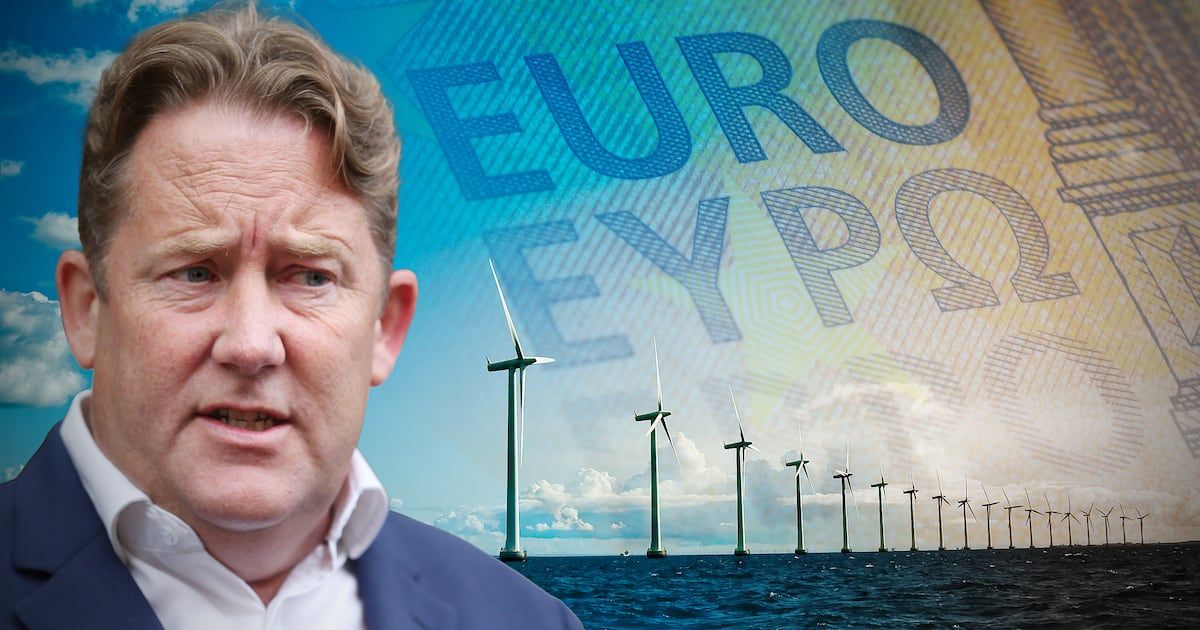
With little of 2026 remaining, the plan is expected to cover 2027 as well. The Irish Examiner reported on October 19 that Cabinet approval was expected before Minister for Climate, Energy and the Environment Darragh O'Brien leaves for the UN climate summit COP31 in Turkey in November.
The Irish Examiner described the two-year plan as simpler and more focused than its predecessors, with a progress report expected during that period. A senior Government source told the newspaper that producing a new document every year had become an "administrative hamster wheel".
Energy, transport and industrial measures
The 18 priorities will concentrate on measures intended to deliver substantial emissions reductions by 2030. According to The Irish Times, they include electricity grid upgrades, easier development of offshore wind projects, increased electric vehicle use and further action on sustainable travel. The plan will also address emissions from agriculture and industry.
Further details reported by the Irish Examiner include more energy storage alongside an expanded grid, faster deployment of onshore wind and solar power, and accelerated support for home retrofits and other measures to decarbonize housing.
The expected priorities also include making climate grants easier to access across state agencies and using changes to public procurement and low-carbon materials to reduce emissions from cement and concrete. Greater use of renewable transport fuels and a larger climate-action role for local councils are also expected.
Projections fall short of legal targets
Ireland's Climate Action and Low Carbon Development Act sets a goal of reducing national greenhouse gas emissions by 51% by 2030 and reaching climate neutrality by 2050. O'Brien has acknowledged that the 2030 goal is unlikely to be met. Although emissions have declined in recent years, their current trajectory leaves Ireland well short of its targets.
The Environmental Protection Agency's May 2026 projections put the maximum achievable reduction under the Climate Act definition at 25%, even if every promised additional measure is implemented on schedule. That compares with the statutory goal of a 51% cut from 2018 levels by 2030. Under the EU Effort Sharing Regulation, the agency projected a reduction of at most 23%, against a target of 42% below 2005 levels by 2030.
Those projections already assume that measures in existing plans and policies bring renewable electricity to nearly 60% of supply and put at least 751,000 electric vehicles on Irish roads by 2030.
The outlook varies by sector. Transport emissions are projected to decline by up to 28% between 2018 and 2030, compared with the 21% reduction forecast a year earlier. The projected residential reduction has moved in the opposite direction, from 22% to at most 18%, because fewer households are taking up energy improvements, including heat pump installations.
Missing the targets could carry substantial financial costs. In a July 2026 report, the Irish Fiscal Advisory Council warned of annual costs to the exchequer reaching €13 billion by 2050, or about 4% of national income. It estimated that fines for missing the 2030 targets would fall due in 2032 and could range from €6.8 billion to €26 billion.
Opposition presses for accountability
The Government believes the new measures will counter claims that it has neglected climate change. Opposition parties point to its support for new data centers, the lifting of Dublin Airport's passenger cap, the prioritization of roads over public transport and the pause in the carbon levy as evidence that climate policy has been downgraded since 2025.
Green Party leader Roderic O'Gorman challenged the publication delay in the Dáil in September. "The public need to see on an annual basis if the Government is actually passing the measures and implementing the steps that will make those big five-year economywide changes possible," he said.
O'Gorman argued that annual plans allowed scrutiny of the Government's actions and that, without this year's plan, "it cannot be held to account".
Separately, figures provided to the Green Party in response to a parliamentary question showed modest increases in staffing for climate-related work across several Government departments. Transport was an exception: its count dropped from 39 in 2025 to 29 in 2026. The Department of Transport attributed the decline to staff completing their secondments and returning to Transport Infrastructure Ireland.