Oil claims and prices at the pump
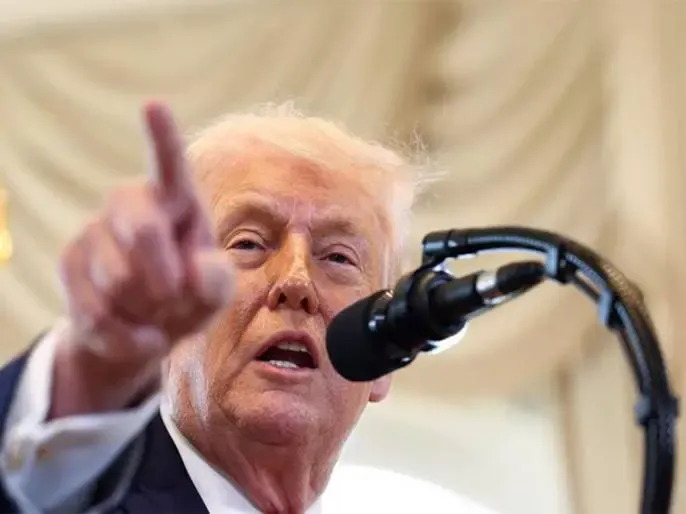
In a social media post, Trump wrote: "Oil Prices are DROPPING LIKE A ROCK, down almost $10 a Barrel, A RECORD, because people feel that there will not be a War with Iran. Iran wants a settlement, as soon as possible. It could happen!" He also suggested that Tehran wants an agreement before the midterm elections, which will determine control of Congress.
Vice President JD Vance offered a similarly hopeful assessment on Fox News. "The President and I both feel pretty good about the prospects for potentially coming to a negotiated settlement," he said. "We've certainly made some progress. We'll see if we can make some more."
US drivers have also seen lower fuel prices. AAA put the national average for regular gasoline at $4.17 a gallon on Monday, November 2, 2026, a decline of 12 cents over the week and 23 cents over the month. Diesel averaged $6.29 a gallon.
Even with those declines, a Financial Times analysis of federal data indicated that the average gasoline price for Trump's second term to date was set to exceed $3.46 a gallon. That would put it above the previous record for a presidential administration, set under Joe Biden.
Iran's terms for reopening Hormuz
The talks concern an eight-month war sparked by US and Israeli strikes on Iran on February 28, 2026. That day, Iran restricted safe passage through the Strait of Hormuz for vessels owned by or affiliated with the United States and Israel. The United States has maintained a naval counter-blockade on Iranian ports.
Iranian Foreign Minister Abbas Araghchi said his country was prepared to negotiate without dropping its conditions, with Qatar and Pakistan helping facilitate discussions. He warned against military action, pointing to upgraded Iranian weapons and a high level of readiness. Foreign Ministry spokesperson Esmail Baghaei said Washington needed to act and demanded that it end the naval blockade.
Africanews reported that Iran had shortened its proposed timetable for reopening the strait from seven days to two. Under the plan Iran has agreed to, the United States would carry out a series of compliance measures on the first day, followed by the strait's reopening on the second.
Tehran's conditions include the release of all frozen Iranian funds, removal of the naval blockade and restoration of sanctions waivers for Iranian oil exports. It also wants regional wars, including the war in Lebanon, to end and new US sanctions imposed after the Islamabad Memorandum of Understanding to be lifted.
Qatar's draft and other diplomatic efforts
A separate Qatari draft sets out confidence-building steps over three days to help restart direct US-Iran negotiations, Axios reported, citing regional sources. Qatari mediator Ali al-Thawadi visited Tehran on November 2 to pursue discussions on that draft. Mediators were waiting for responses from both governments.
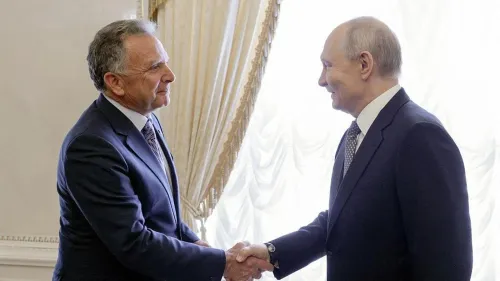
Russia and China are also involved in efforts to secure a deal, according to Axios. Russian President Vladimir Putin discussed the diplomatic effort by phone on November 2 with Gen. Mohsen Rezaei, secretary of Iran's Supreme National Security Council. Moscow has offered to participate in a nuclear agreement, including by taking Iran's enriched uranium stockpile.
Rezaei's deputy was in Beijing the same day for a meeting with China's foreign minister. China is also calling for direct talks between Washington and Tehran.
Trump weighs three courses
Trump told Axios in a November 2 phone interview that he was "in no rush" to decide whether to resume fighting in Iran. "One way or the other, we will do something, but there is no rush," he said.
According to Axios, three groups are pressing different approaches. Vance and envoy Steve Witkoff favor an agreement, with support from most Gulf countries. Israeli Prime Minister Benjamin Netanyahu and Defense Secretary Pete Hegseth advocate renewed combat.
Treasury Secretary Scott Bessent, CIA Director John Ratcliffe and Secretary of State Marco Rubio favor maintaining maximum economic pressure.