
Tighter controls on passage
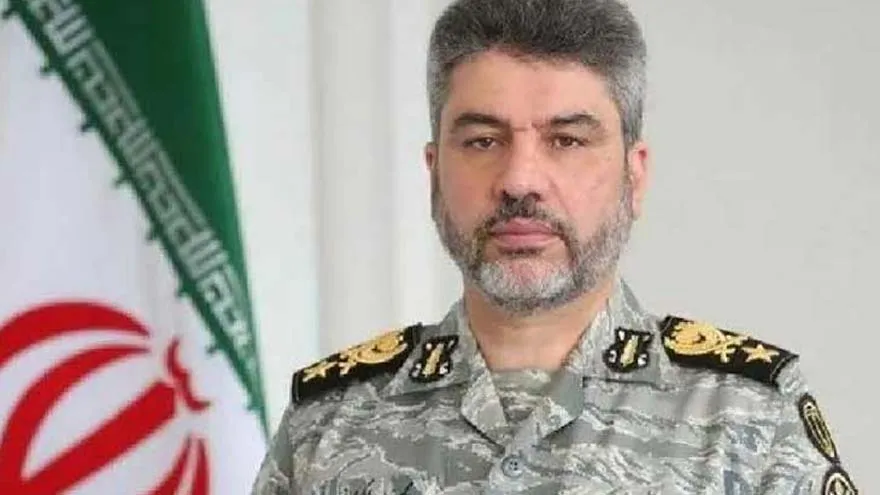
Akraminia said Army Chief General Hatami ordered the tighter surveillance and controls, according to Dunya News. Iranian forces have deployed new combat systems in the strait and are upgrading older defense systems, he said, adding that surveillance capabilities have improved substantially and that further improvements will continue.
He described a broader effort to strengthen defensive preparedness across Iran's armed forces, including the Army and the Islamic Revolutionary Guard Corps (IRGC). Ships must coordinate with Iranian forces to pass safely through the strait, he said.
Iran had already asserted a permit requirement for the waterway. According to the Congressional Research Service, it established the Persian Gulf Strait Authority (PGSA) in May 2026 and claimed that vessels could not transit without a valid permit from the authority. The US Treasury's Office of Foreign Assets Control sanctioned the PGSA on May 27.
Akraminia accused Washington of waging a hybrid war through military, political and economic pressure. He said US actions extended beyond disputes over Iran's nuclear and missile programs and regional affairs, and claimed that Iran's resolve and countermeasures had thwarted its adversaries' plans.
Shipping attacks remain elevated
Reported attacks on shipping in and around Hormuz have reached their highest levels since the US-Iran war began in late February 2026, according to a CNN analysis of UK Maritime Trade Operations Centre (UKMTO) data. The center logged more than 30 attacks in October, the first month to exceed that threshold, and at least 22 in November through November 22.
Those totals likely understate the number of attacks because UKMTO reports only incidents it has verified through primary sources.
Maritime risk management company Marisks reported that projectiles hit three tankers leaving the strait on November 20 and 21: the Marshall Islands-flagged Captain Leon and the Hong Kong-flagged Torkel and Arina. Marisks assessed Iranian involvement as likely.
Before the war, the strait carried roughly 25% of global maritime trade in crude oil and petroleum products and roughly 19% of liquefied natural gas in 2025, according to the Congressional Research Service. Oil flows through the waterway amounted to about 20 million barrels a day.
Ceasefire and passage agreement gave way to renewed conflict
A Congressional Research Service report updated August 7, 2026, dates the current US-Iran conflict over the strait to February 28, when US and Israeli military operations against Iran triggered Iranian efforts to control the waterway.
A ceasefire followed on April 7. On June 17, the United States and Iran signed a memorandum of understanding providing for removal of the US naval blockade and Iranian arrangements for safe passage for 60 days.
The agreement was followed by renewed conflict. By early August, the United States had reimposed its naval blockade, according to the report.