
Traders challenge taxes and customs enforcement
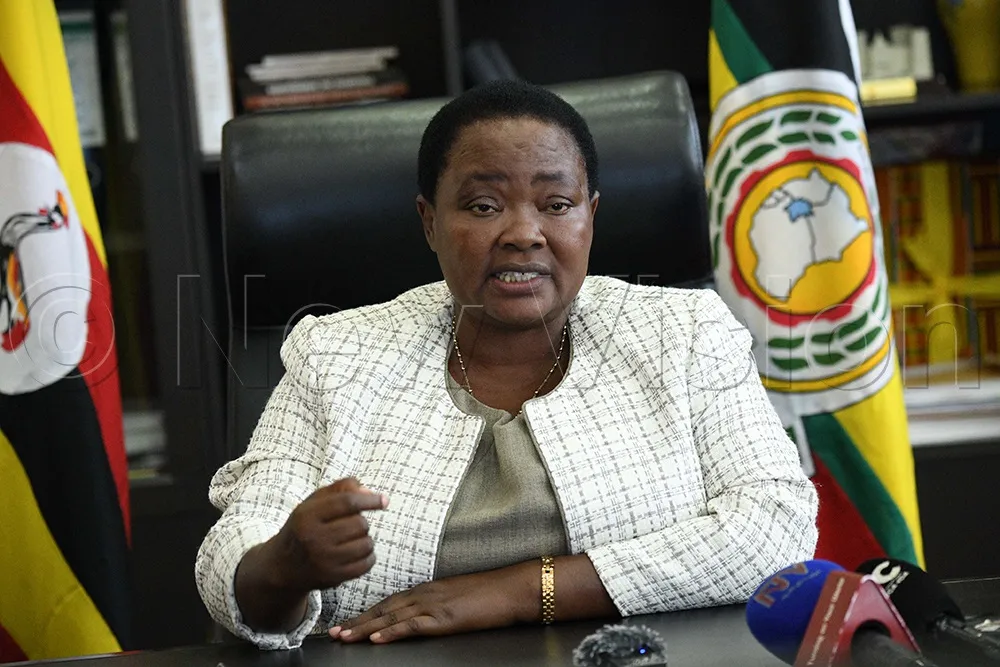
Nabbanja brought ministers, trader leaders and landlord representatives together at her Kampala office on Tuesday, following President Yoweri Museveni's directive to address the traders' complaints, New Vision reported. The shop closures that day primarily involved garment and textile businesses protesting import taxes and delays in the Uganda Revenue Authority's clearance of their goods.
At the meeting, traders accused the URA of seizing garment shipments, particularly those from China, and charging excessively high taxes.
The complaints extended beyond tax rates. According to The Independent, traders participating in the November 2026 shutdown under the Kampala City Traders Association (KACITA) also questioned the taxation of textiles in Kenya before their shipment to Uganda and raised allegations of textile smuggling and revenue losses during container loading.
Other concerns included a new clearance procedure for buses transporting textiles and enforcement of the Electronic Fiscal Receipting and Invoicing Solution (EFRIS), particularly among city landlords. KACITA also called for direct representation in Parliament.
URA Commissioner General John Musinguzi described a revenue problem arising from imports routed through neighboring countries. According to the Office of the Prime Minister, he told participants that traders were paying taxes in Kenya and Tanzania rather than Uganda, significantly reducing Ugandan collections. New Vision reported that those countries' garment and textile tax regimes are much cheaper, with traders subsequently bringing the goods into Uganda by bus and paying less tax.
Previous duty cuts and demands for legal changes
Uganda uses import duties based on weight and value, along with value-added taxes and environmental levies, to protect domestic garment and textile manufacturing under its "Buy Uganda, Build Uganda" (BUBU) policy.
Import duties were reduced effective July 1, 2025. For textile fabrics, the rate fell from $3 per kilogram or 35 percent, whichever is higher, to $2 per kilogram or 35 percent, whichever is higher. For garments, it dropped from $3.50 per kilogram or 35 percent, whichever is higher, to $2.50 per kilogram or 35 percent, whichever is higher. Business Focus Uganda reported that Finance Minister Matia Kasaija announced the reductions in the FY2025/26 budget speech.
Traders had previously asked Nabbanja for a 35 percent taxation rate on textiles and garments, comparable to neighboring countries, rather than taxation by weight. Daily Monitor reported that in August 2025, Nabbanja said legal advisers had determined that making the change would require Cabinet consideration under the president's chairmanship, followed by an amendment in Parliament. She pledged to take the proposal to Cabinet.
Committee to recommend a resolution
Nabbanja assigned the latest review to the Ministry of Finance and the Ministry of Trade, Industry and Cooperatives. The review is intended to address the high taxes that prompt Ugandan traders to leave imported garments in Kenya and Tanzania and route their trade through those countries, costing Uganda revenue.
Participants agreed to establish the Inter-Agency Tax Harmonisation Committee to examine the policy and advise the government on resolving the standoff. Trade, Industry and Cooperatives Minister Sanjay Tana will chair it.
The committee will also include Amos Lugolobi, the state minister for finance responsible for planning; Deputy Attorney General Jackson Kafuuzi; Musinguzi; trader representative John Kabanda; and Godfrey Kirumira, representing landlords.
Nabbanja also reiterated that the government would soon compensate traders whose goods were destroyed in Kampala floods. The talks were scheduled to continue on November 18 at her office.