A challenge to traffic forecasts and shipper protections
BNSF supported its case with more than 130 exhibits, extensive data, and declarations from company executives and expert witnesses. Its brief argues that the merger would not serve the public interest: "UP will be UP — with more market power."
The railroad's objections focus in part on the applicants' forecasts for moving freight from trucks to trains. BNSF identified more than 310 errors and corrections in the Union Pacific-Norfolk Southern traffic analysis, which it says cast doubt on those projected gains. It also argues that the proposed Committed Gateway Pricing program offers narrow protection for shippers because it would apply to only 0.9% of rail traffic.
The filing goes beyond BNSF's September 9 submission, which set out conditions it would seek to protect competition should regulators approve the transaction. The November filing presents its formal opposition, expanding on earlier concerns with evidence, expert testimony and analysis.
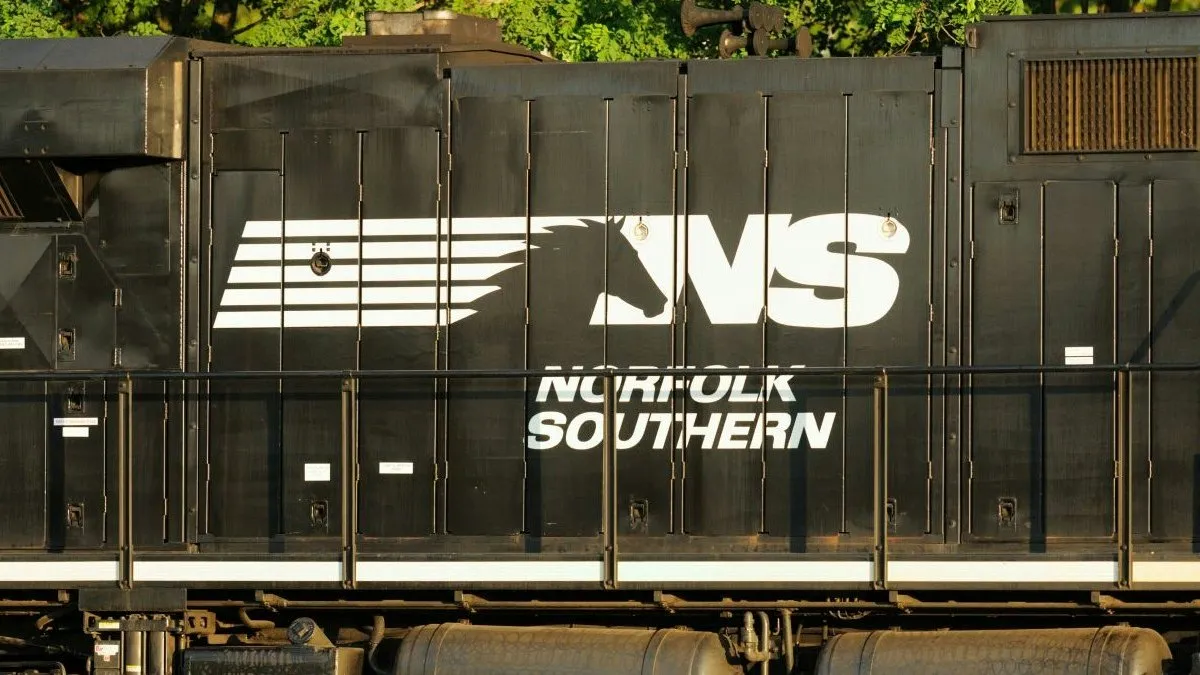
The transaction is valued at $71.5 billion and would create the largest railroad in U.S. history, with a single rail line spanning 43 states from the West Coast to the East, according to DTN's November 18 report. DTN cited the Wall Street Journal as reporting that the combined railroad would have a 39% share of the rail freight market.
BNSF is one of six major Class I freight railroads serving the U.S. market, a category covering companies with annual operating revenues above $1 billion. Other operators include CSX Transportation, Canadian National Railway and CPKC Railway, or Canadian Pacific Kansas City.
Shippers, unions and senators voice concerns
BNSF also pointed to opposition beyond its own filing. "Shipper groups representing more than 50% of rail cargo have opposed or raised concerns about the merger, while unions representing more than 70% of the projected combined unionized workforce oppose it," the filing said.
Eight U.S. senators from both parties urged the STB to reject the transaction in a November 18 letter. Led by Tammy Baldwin, D-Wis., and Roger Marshall, R-Kan., the group argued that the merger would weaken freight rail competition and increase costs for consumers, farmers and manufacturers.
Separately, a remark by Union Pacific CEO Jim Vena has drawn attention amid allegations of retaliation. Speaking to the Southwest Association of Rail Shippers in March 2026, Vena said he would "probably increase everybody's rates that said they didn't want a seamless railroad by 3 or 4% to teach you a lesson." Union Pacific has described the comment as offhand and says it does not retaliate against customers.
Video of the speech became public in November after the STB denied Union Pacific's appeal on November 4 and ordered the recording redesignated as public.
The application has faced earlier challenges
Union Pacific and Norfolk Southern first applied for merger approval on December 19, 2025. The STB rejected that application as incomplete on January 16, 2026. After the railroads submitted a revised application on April 30, the board accepted it for consideration on May 28, but placed the proceeding in abeyance and required supplemental information.
On September 18, the board denied three motions arguing that the revised application should be summarily denied for failing to establish a prima facie case. BNSF and CSX Transportation each filed a motion, as did a coalition of shipper associations.
That coalition consisted of the American Chemistry Council, American Fuel & Petrochemical Manufacturers, Alliance for Chemical Distribution, National Industrial Transportation League and The Fertilizer Institute.
Responses and a hearing lie ahead
BNSF filed on the deadline for opening comments under the procedural schedule the STB adopted on August 18, 2026. The November 18 deadline covered protests, requests for conditions, and other evidence and arguments opposing the revised application. Responses are due February 16, 2027.
DTN reported that comments from the Justice Department and Transportation Department are due December 3, 2026, with final briefs scheduled for May 28, 2027. The STB plans to set a public hearing date in a later decision and expects the hearing to take place before final briefs are due. According to DTN, a board vote is expected within 90 days after the final briefs.