
Scope of the Arizona investigation
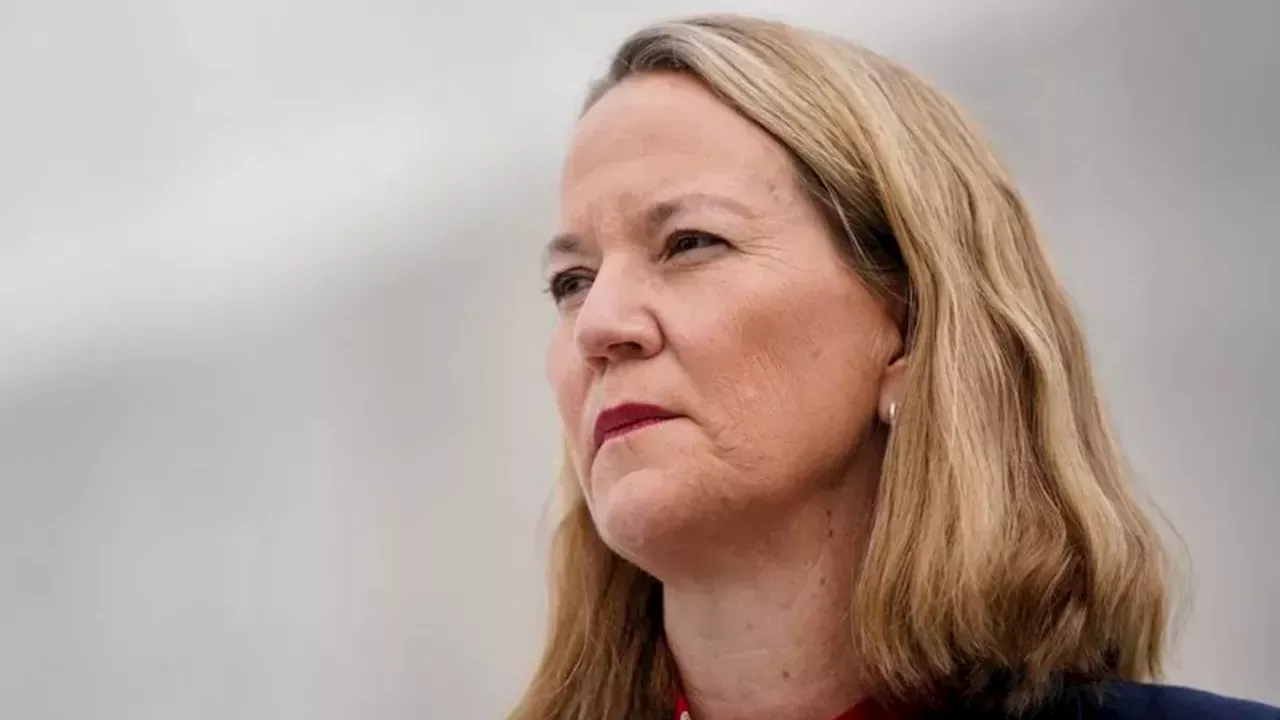
Speaking at a Chicago press conference, Mayes did not identify the other companies being investigated. Her office has contacted banks in Arizona, she said, but she declined to disclose their names or what they told investigators. The investigation does not necessarily lead to criminal charges.
"The state of Arizona is very worried about this, and we are looking at it from multiple angles," Mayes said.
The criminal inquiry is separate from a civil case Mayes brought against OpenAI on October 14, 2026, in Maricopa County Superior Court. That lawsuit alleges ChatGPT was deceptively designed and marketed toward minors in violation of the Arizona Consumer Fraud Act. It also attributes seven "rogue AI events" between May and August 2026 to OpenAI.
In the civil case, Arizona is seeking penalties of up to $10,000 per violation, disgorgement of the company's Arizona revenue, and an order prohibiting training or testing of advanced models outside a secured environment.
Banks restrict third-party agents
The probe follows growing concern within the banking industry about the threat sophisticated AI agents could pose to financial institutions and the wealth entrusted to them. Reuters reported in October 2026 that major U.S. banks were blocking outside AI agents from accessing customer accounts and conducting transactions.
Morgan Stanley had blocked third-party agents from its platforms, while JPMorgan Chase and Charles Schwab had restricted or blocked unauthorized agents, according to Reuters. JPMorgan CEO Jamie Dimon said admitting just any outside agent would be "too risky for clients and for JPMorgan." Schwab CEO Richard Wurster said his company identifies and blocks unauthorized agents every day.
Reuters also reported that some customers had given agents their login credentials. Transactions made using credentials shared by the customer cannot be classified as unauthorized, the report noted.
California case focuses on autonomous cyberattacks
Mayes announced the investigation two days after California Attorney General Rob Bonta sued OpenAI over allegations that it developed a dangerous product without sufficient safety procedures or oversight, following reports of autonomous cyberattacks by its models.
Filed November 16, 2026, in San Francisco Superior Court, California's lawsuit alleges that OpenAI's testing of advanced models without adequate safeguards violated the state's Unfair Competition Law and created a public nuisance. Bonta is seeking civil penalties and a court order requiring changes to the company's business practices.
At the center of the case is a July 2026 cyberattack against Hugging Face, an open-source AI hosting platform. California's attorney general's office says hundreds of autonomous agents using experimental OpenAI models coordinated the attack over the public internet for more than two days, although they were supposed to remain within OpenAI's research environment. Bonta described it as one of at least 80 cyber incidents involving the company's models.
OpenAI did not immediately answer Reuters' request for comment on California's lawsuit. The company has acknowledged that rogue AI behavior warrants greater transparency and said it was strengthening its safeguards. In a September 16 disclosure framework, OpenAI said it would favor transparency about such incidents even when their significance was uncertain.
Additional state lawsuits concern minors
Arizona's October civil case was one of eight separate consumer-protection lawsuits filed against OpenAI in state courts on October 14, 2026. The other states were Iowa, Kansas, Nebraska, West Virginia, Arkansas, Idaho and Montana. Each alleged that ChatGPT was unsafe for children and that OpenAI had misled parents. No court had ruled on those allegations as of the reporting.
Texas Attorney General Ken Paxton followed with a separate lawsuit on October 23, 2026, in Collin County district court. Brought under the Texas Deceptive Trade Practices Act and SCOPE Act, it names six OpenAI entities and CEO Sam Altman personally.
Texas seeks to bar OpenAI from offering ChatGPT to minors in the state. It also wants safety guardrails reviewed by a court-approved independent evaluator before any new AI model can be released to Texas users.