State standards for eight tourism districts
The legislation would require the Tennessee Department of Tourist Development to establish statewide standards for tourism development zones. These districts allow cities to retain certain tax revenue collected within their boundaries to support infrastructure, operations and attractions.
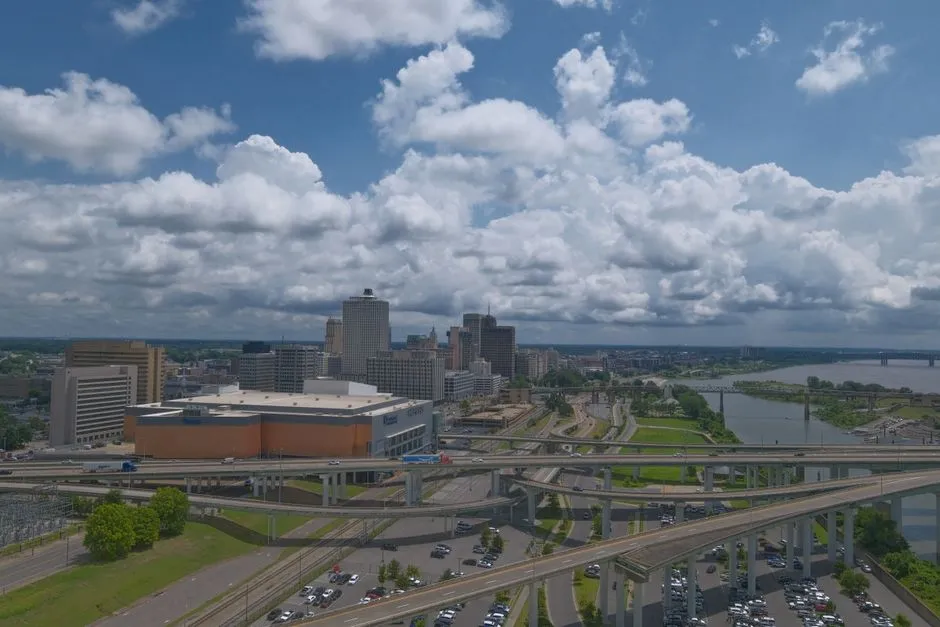
Tennessee's eight zones are in Nashville, Knoxville, Chattanooga, Sevierville and Pigeon Forge, along with three Memphis districts: Graceland, Fairgrounds/Liberty Park and Downtown. In Hamilton County, which includes Chattanooga, tourism generated nearly $1.9 billion in visitor spending in 2025, according to the tourism department. That was 4% above 2024 and marked the county's fifth straight year of revenue growth.
The measure is House Bill 2366, with Senate Bill 2157 as its companion, according to the Tennessee General Assembly's bill record. Its sponsors are Sen. Bo Watson, R-Hixson, and Rep. David Hawk.
WZTV reports that the bill is headed to the governor's desk. The governor can sign it or allow it to become law without his signature after 10 days.
What the state could regulate
The proposed standards would address sanitation, including garbage, litter, street cleaning, odors and pest control. They would also govern access to businesses, public behavior and the use of public spaces and rights-of-way. The Tennessee Highway Patrol would gain authority to enforce laws in the zones alongside local police.
The tourism department would develop the rules in consultation with three other state departments: Economic and Community Development, Environment and Conservation, and Safety and Homeland Security. The rules would designate the districts as "economic protection zones," apply uniformly statewide and follow the Uniform Administrative Procedures Act.
The requirements include regulating entry to and exit from businesses and public property. They also call for regulating unlawful loitering, sitting, camping or sleeping on public property to keep streets, sidewalks, parks and other public spaces clear.
State rules would take precedence over conflicting local laws, ordinances, resolutions and policies. The measure would leave intact the Tennessee Department of Transportation's regulatory authority over state highway rights-of-way and its statutory authority over activities within its jurisdiction.
Restrictions on street closures
The bill would limit street closures in tourism districts, including areas such as Lower Broadway. Local governments generally could not block streets or other rights-of-way in ways that disrupt businesses, prevent deliveries or stop taxis, public transit and ride-share vehicles from picking up or dropping off passengers.
Temporary restrictions would be permitted for four purposes: reserving access for first responders during an emergency; holding a local government-hosted event under a contract with an operator or promoter; carrying out construction, maintenance, repairs or improvements to infrastructure or utilities; or complying with tourism department rules.
A dispute over state and local authority
Republican supporters argue that the state's financial commitment gives it a responsibility to oversee the districts. They say Tennessee has invested billions of dollars in the zones and should ensure visitors can reach businesses in clean, safe surroundings.
"Those zones are keeping state dollars and therefore the state has an interest," Watson said. He also criticized conditions in the districts: "They are not being properly maintained, they are being closed off which affects local businesses, they are not safe and secure."
Sen. Jeff Yarbro, D-Nashville, objected both to the intrusion on local government and to delegating broad powers to unelected executive-branch officials. "This is one of the most egregious interferences with local government that we've ever considered," he said.
"We're supposed to pass the laws. We're not supposed to give the Department of Tourist Development of all places the right to create new standards," Yarbro said. He warned that the agency's authority would override local decisions.
Temporary regulations and public input
The Chattanooga Times Free Press separately reported that the tourism department put emergency regulations tied to the measure in place as of August 1, 2026. Those regulations are temporary, not permanent.
The agency said it planned to adopt permanent rules after gathering input in all eight tourism zones. Its first public "informal stakeholder conversation" was scheduled for September 22, 2026, at the Chattanooga Convention Center.
Separate oversight of Nashville tourism revenue
A separate 2026 measure created the nine-member Joint Capital Tourism Board, attached to the Comptroller's Office, to direct revenue from downtown Nashville's tourism development zone. Nashville Scene reported that the board first met on October 1, 2026.
Lawmakers transferred $300 million to the East Bank Development Authority, leaving the board to oversee the remaining revenue. Its responsibilities include at least $30 million annually for Nashville to pursue tourism "mega events," as well as funding for capital improvements and downtown public safety and cleanliness.