

New requirements for products and laboratories
The Therapeutic Goods Administration (TGA) is developing tighter testing rules and ingredient quality standards to improve confidence in sunscreen performance and make manufacturers' obligations clearer.
Testing a base formula would no longer be enough: brands would need to test the finished sunscreen and give the TGA those results before the product is listed. Testing would continue over the product's shelf life, and laboratories testing sunscreens for the Australian market would need international accreditation.
The package also calls for limits on SPF claims for cosmetic sunscreens and a review of good manufacturing practice guidance. TGA chief medical officer Professor Robyn Langham said the investigation found several possible contributors to low SPF results, rather than one cause. She said the proposed response combines stronger tests, quality requirements for particular ingredients and clearer expectations for manufacturing.
The regulator is considering new laboratory methods published by the International Organization for Standardization (ISO) that do not use human subjects. According to the TGA, these in vitro methods appear to produce more consistent SPF results. The reforms would reference ISO standards directly in legislation and allow sponsors to choose in vitro or human-subject, in vivo testing where appropriate.
What the sunscreen tests found
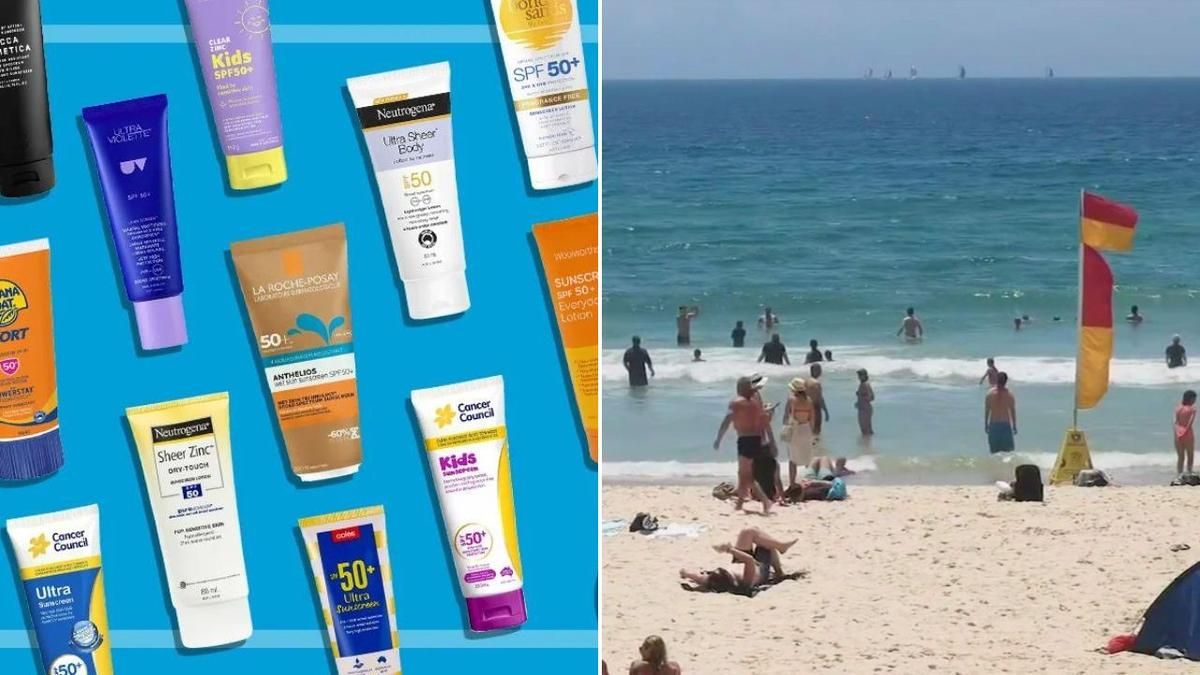
Consumer group Choice tested 20 popular sunscreens in June 2025, including products from Cancer Council, Neutrogena and Ultra Violette. Only four met their advertised SPF claims. The TGA later recalled a number of other sunscreens that were not part of Choice's testing.
The regulator puts the number that failed testing requirements at 18, rather than Choice's 16. That difference reflects Australia's standard for an SPF 50+ label: the product must achieve a test result of at least SPF 60.
Seven sunscreens labeled SPF 50 or SPF 50+ recorded results in the 20s; other products returned results in the 30s and 40s. Ultra Violette Lean Screen SPF 50+ Mattifying Zinc Skinscreen recorded SPF 4 in its first test and SPF 5 in a second test at a different laboratory in Germany.
Ultra Violette challenged Choice's findings at first. Its subsequent internal investigation yielded eight results for Lean Screen, spanning SPF 4 to SPF 64. The company took the product off the market in August, apologized to customers and offered refunds and product vouchers.
The TGA has also identified 20 products sharing Lean Screen's formulation that are on the Australian market or were sold there recently. It is assessing whether those products require regulatory action.
Choice seeks public results and independent checks
Choice supports the proposed changes but wants greater transparency and stronger oversight. Brands currently do not have to routinely submit SPF data to the TGA; they must provide it when requested.
Andy Kelly, Choice's director of consumer impact, welcomed the proposed submission requirement but said it left gaps. "However, the TGA is not proposing to routinely monitor and evaluate test results," he said. "Sunscreen brands would also only be required to provide test results confidentially to the TGA."
Choice wants consumers to be able to see the results and wants the TGA to run its own compliance tests, rather than depend entirely on reports supplied by manufacturers.
Consumer Healthcare Products Australia, which represents sunscreen manufacturers and distributors, said the package addresses some of its concerns, including flexibility in SPF testing and closer scrutiny of laboratories. But it cautioned against measures that would increase costs and complexity without a clear improvement in results.
Cosmetic chemist Dr. Michelle Wong, who participated in the consultation, said Australia was ahead of most countries in addressing sunscreen regulation problems. In her assessment, almost every other country faces the same regulatory issues.
Ingredient reviews and exposure concerns
The TGA has used its Australian Sunscreen Exposure Model to review seven active sunscreen ingredients and is considering lower permitted levels for three. It describes that consideration as a measured precaution in response to a theoretical risk identified in animal studies.
In separate research, German scientists detected the sunscreen chemical homosalate in urine samples from 80% of the Australian children tested. Homosalate is considered a potential hormone disruptor, and the findings prompted calls for tighter rules. Europe limits its concentration in sunscreen to just over 7%, while Australia's limit is 15%.
Sun protection advice remains unchanged
Australia is among the countries with the highest skin cancer rates. About two-thirds of Australians are expected to receive a skin cancer diagnosis in their lifetime.
For 2025, Cancer Australia estimated 17,443 new melanoma cases, accounting for about 10% of all new cancer cases, and 1,455 melanoma deaths. Five-year relative survival was 94% for people diagnosed in 2017–2021.
Choice said millions of Australians depend on SPF labels and should be able to trust them. It said some sunscreen is better than none, but overstated protection presents a real health concern and breaches consumer trust. Australians should continue using sunscreen regularly, along with protective clothing, hats, sunglasses and shade.
No firm implementation date
Almost 120 submissions to the TGA's public consultation between March and May this year helped shape the proposals. The regulator says implementation will happen in stages, but it has not given a specific timeline.
Each reform will take time to develop and may require additional consultation or legislative amendments. Potential changes to sunscreen labeling will be the subject of a later consultation.